
5 Things to Know Before Ordering Ready-Mix Concrete

5 Things to Know Before Ordering Ready-Mix Concrete

Utah Rock & Concrete • September 2, 2026

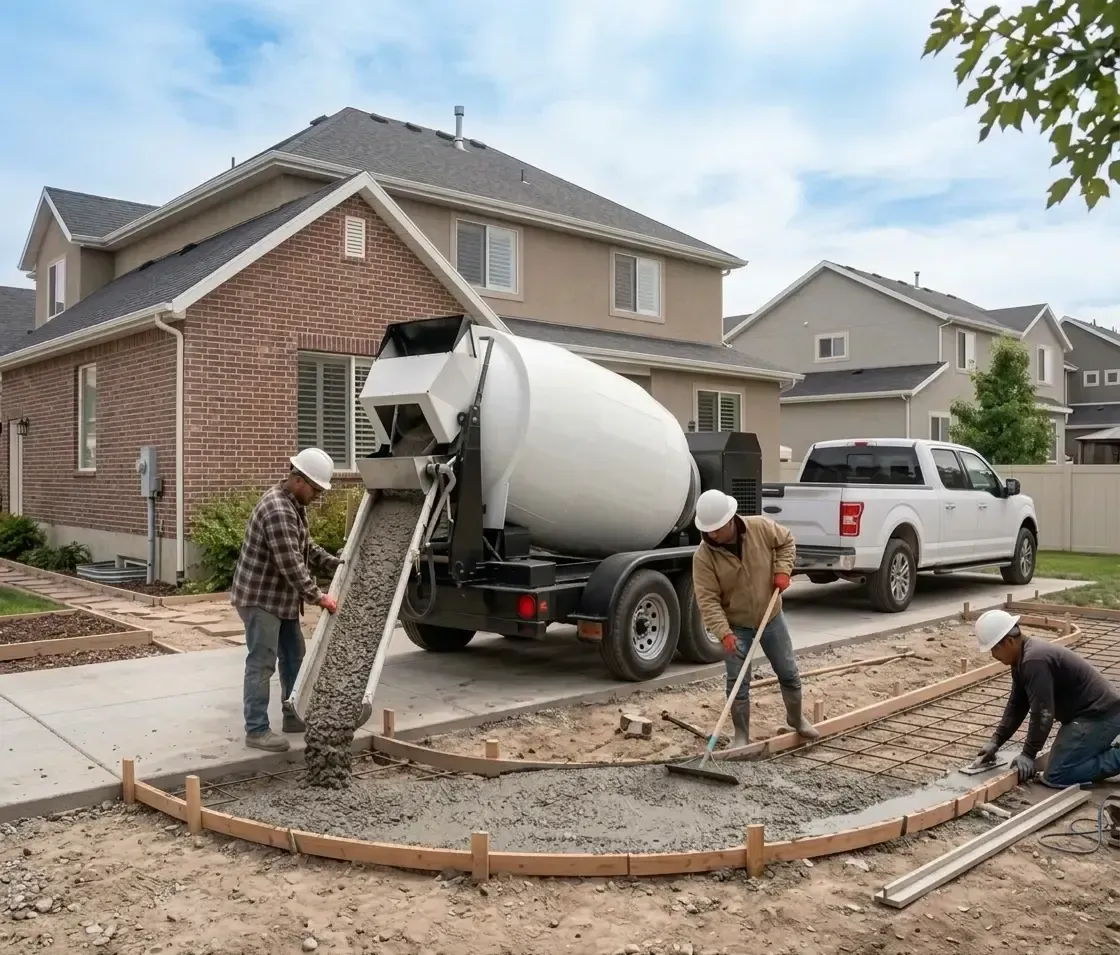
Ready-mix concrete can make a construction project more efficient. It arrives mixed and ready for placement. This saves you from measuring and mixing materials at the jobsite.

However, ordering ready-mix concrete involves more than choosing a product. The concrete needs to match the requirements of your project. Knowing what to ask before ordering can help you make a more informed decision.

1. Know the Required Concrete Strength

Concrete comes in different strength levels. The right strength depends on how the concrete will be used and the loads it needs to support. A residential walkway may have different requirements than a driveway or foundation.

Concrete strength is commonly measured by compressive strength in pounds per square inch (psi). Your project plans or contractor should specify the required strength. Always check these requirements before placing your order.

Consider the following:

  • Required compressive strength
  • Intended use of the concrete
  • Project plans and specifications
  • Applicable building requirements
  • Recommendations from your contractor or engineer

Using the correct strength helps ensure the concrete is suitable for its intended application.

2. Understand Different Mix Designs

Ready-mix concrete is not a one-size-fits-all product. Suppliers can produce different mixes for different applications. The mix can affect the concrete's strength, workability, and performance.

Several factors can influence the appropriate mix. These may include the project's intended use, environmental exposure, and placement method. Your concrete supplier can help identify the right option based on your project requirements.

Do not assume that one mix will work for every application. Ask about the available mixes before placing your order. This gives you a better idea of what your project actually needs.

3. Consider Concrete Workability

Workability describes how easily fresh concrete can be placed, consolidated, and finished. The right workability can make the job easier for your crew. It can also affect how efficiently the concrete moves through the placement process.

Your placement method can influence the type of concrete you need. For example, concrete placed directly from a truck may have different considerations than concrete moved using a pump.

Avoid making changes to the mix without consulting your supplier. Adding water at the jobsite can change the concrete's properties. If the mix does not have the workability your crew needs, discuss the issue with the supplier first.

4. Check the Project Specifications

Your project may have requirements beyond basic concrete strength. These specifications can affect the ready-mix concrete you should order. This is especially important for projects designed by an engineer or subject to inspections.

Depending on the application, specifications may include:

  • Slump or workability
  • Aggregate size
  • Air content
  • Exposure requirements
  • Strength requirements
  • Special performance characteristics

Review the project plans before ordering. If you are unsure about a specification, ask your contractor or engineer for clarification. Following the specified requirements helps ensure the concrete is appropriate for the project.

5. Ask Your Concrete Supplier Questions

Your concrete supplier can be a useful resource when planning your order. Share as much information about the project as possible. This allows the supplier to better understand what you need.

Before placing your order, consider asking about:

  • Available mix designs
  • Recommended options for your application
  • Minimum order requirements
  • Concrete specifications
  • Special project requirements
  • Available delivery services

Be sure to mention any unusual project conditions. Specialized placement methods or specific concrete requirements may affect the product you need. Clear communication can help prevent misunderstandings before the order is finalized.

Get the Right Ready-Mix for the Job

Ready-mix concrete works best when the product matches the needs of the project. Check the required strength and review your project specifications first. Then consider the mix design, workability, and other performance requirements.

Utah Rock & Concrete can help you understand your ready-mix concrete options. Contact us to discuss your project requirements and find the right concrete for your application.

Recent Posts

Gray tile patio beside a pebble border and green grass lawn
By Utah Rock & Concrete • September 2, 2026
Discover the best decorative rock for your yard by comparing rock types, sizes, colors, uses, installation, and cost considerations.

Three-way border between gray gravel, tan river stones, and green grass panels
By Utah Rock & Concrete • September 2, 2026
Avoid costly mistakes when ordering bulk landscaping materials. Learn how to choose the right material, calculate quantities, plan delivery, and more.
Fresh concrete slab foundation under construction with wooden forms and orange markers on a dirt lot
By Utah Rock & Concrete • September 2, 2026
Discover how a properly prepared base can prevent settlement, improve drainage, distribute weight, and support a stronger construction project.
Construction workers dumping sand and gravel into separate piles beside a red dump truck
By Utah Rock & Concrete • September 2, 2026
Learn the differences between hard pack and recycled concrete road base, from composition and compaction to cost and common applications.
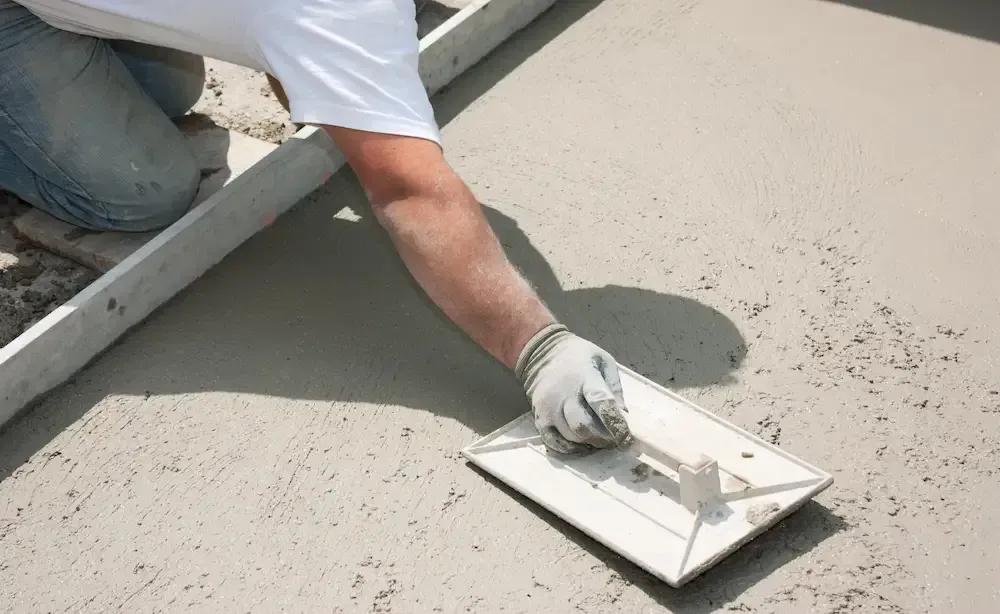
Worker smoothing wet concrete with a trowel on a construction site
By Utah Rock & Concrete • September 2, 2026
Explore five common uses for small-batch concrete and learn why it can be a practical option for smaller residential projects.
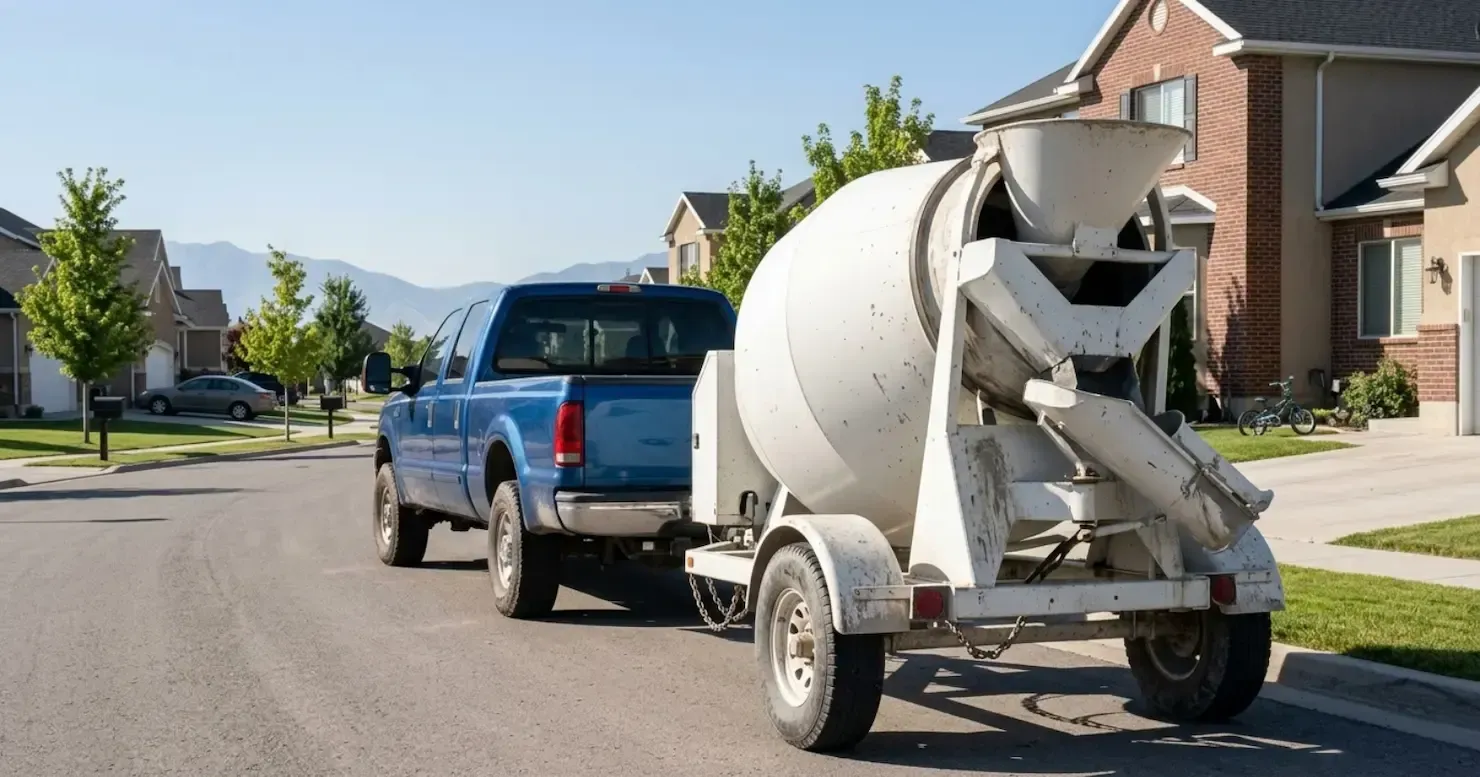
Blue pickup towing a white cement mixer trailer on a suburban street, with houses and mountains in the background
By Utah Rock & Concrete • September 2, 2026
Find out what to expect when picking up U-Cart concrete, including trailer requirements, towing tips, concrete placement, and return instructions.

Person smoothing wet concrete beside a house with a long-handled tool
By Utah Rock & Concrete • September 2, 2026
Find a reliable small-batch concrete supplier by evaluating order options, pricing, concrete quality, equipment, communication, and reviews.
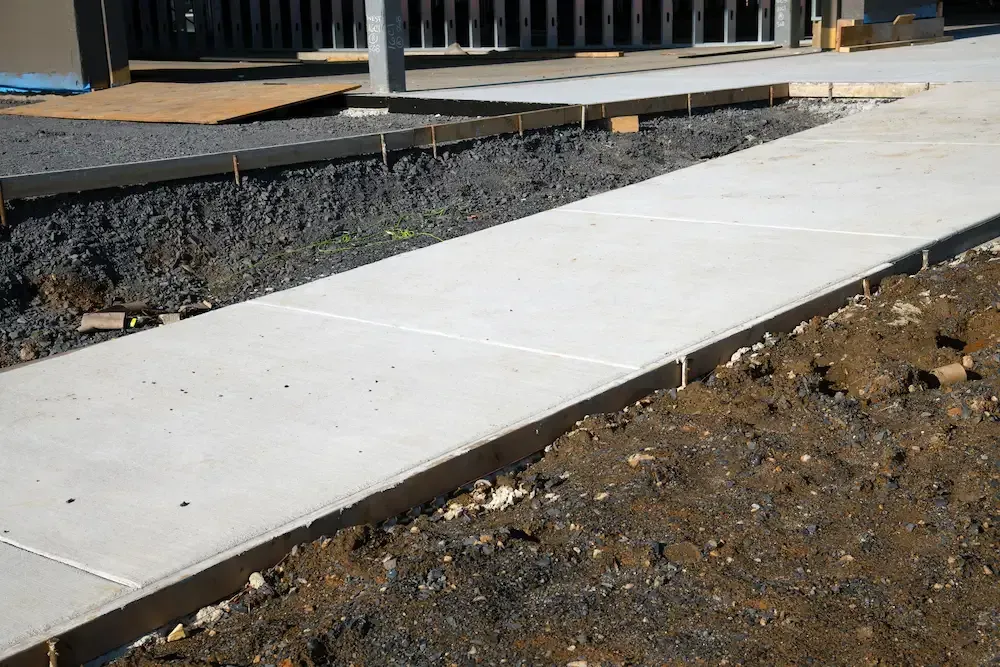
New concrete sidewalk beside a raised wooden deck and gravel path under construction
By Utah Rock & Concrete • September 2, 2026
Learn when to choose small-batch concrete for smaller pours, repairs, restricted access, DIY projects, and other concrete needs.
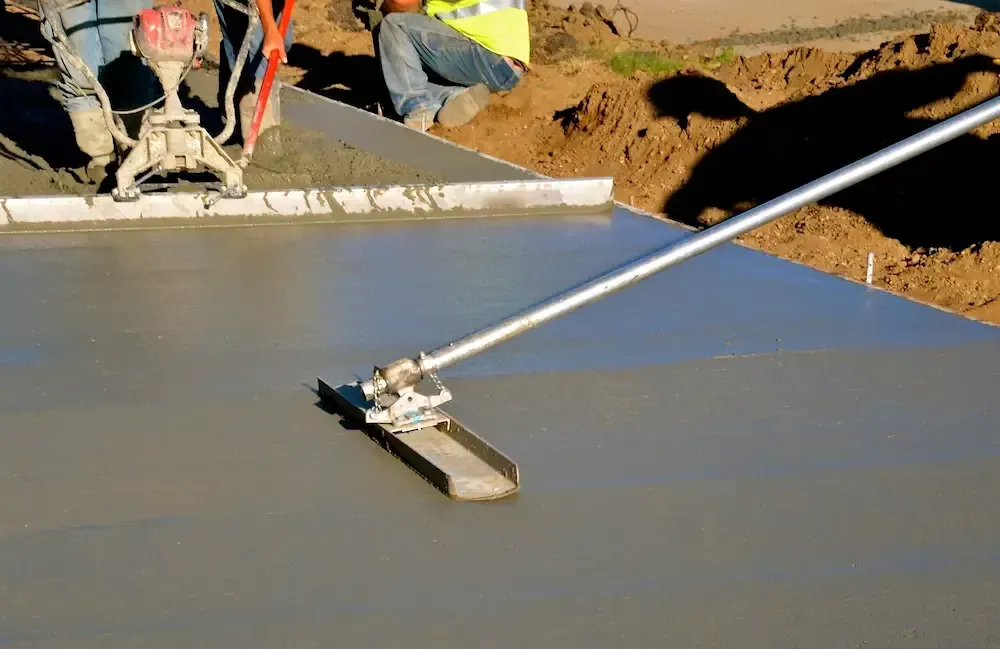
Worker smoothing fresh concrete with a long-handled screed at a construction site
By Utah Rock & Concrete • September 2, 2026
Find out how to estimate your concrete needs for slabs, driveways, patios, and other projects with simple formulas and examples.
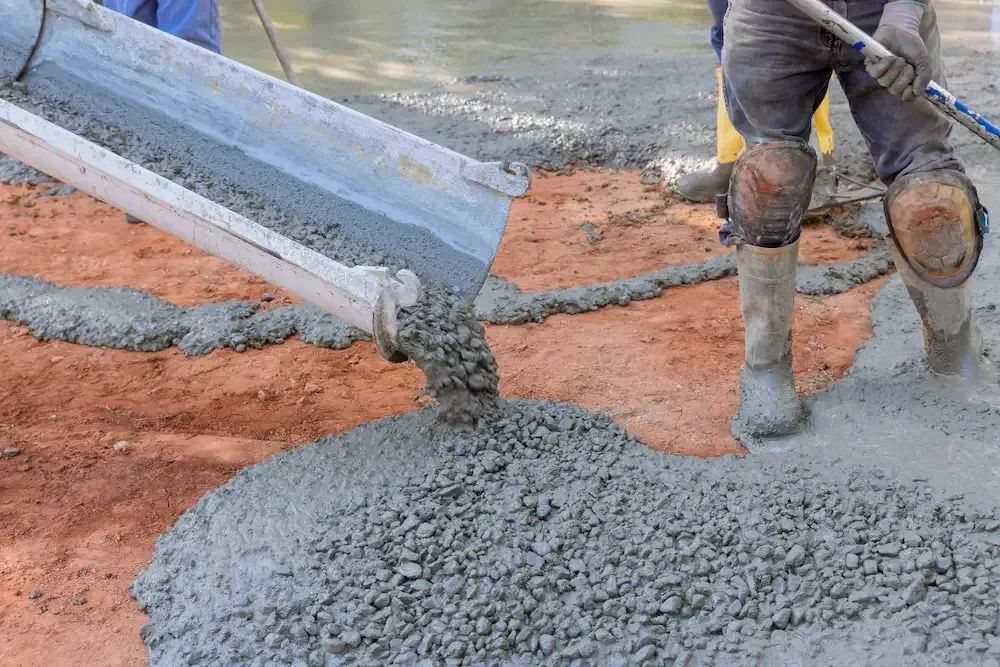
Construction workers pouring wet concrete beside a curb on a road site
By Utah Rock & Concrete • September 2, 2026
Learn when to schedule concrete delivery and how to prepare your Utah jobsite, crew, equipment, and schedule for a smooth concrete pour.
Show More