A Guide to Choosing Decorative Rock for Your Landscape

A Guide to Choosing Decorative Rock for Your Landscape

Utah Rock & Concrete • September 2, 2026

Decorative rock is one of the easiest ways to upgrade your yard. It's low maintenance, long lasting, and comes in dozens of colors, shapes, and sizes. But walk into any landscape supply yard and you'll find rows of bins that all sort of look the same from a distance. Picking the right one can feel overwhelming if you don't know what to look for.

This guide breaks down each type, size, and use case so you can walk in with a plan instead of guessing.

Why Use Decorative Rock?

Homeowners often turn to rock because they're tired of mulch that fades and needs replacing every year. Rock solves that problem, but it also does more than just sit there looking nice. It plays an actual functional role in your landscape design.

Benefits of decorative rock:

  • Requires little to no maintenance
  • Doesn't fade, rot, or need replacing like mulch
  • Helps control weeds when paired with landscape fabric
  • Improves drainage around your home's foundation
  • Adds texture and contrast next to plants and hardscaping
  • Works well in high-traffic or low-water areas

Because it doesn't break down over time, rock is usually a one-time investment. That makes it a good fit for areas you don't want to keep maintaining, like side yards, slopes, or spaces around HVAC units.

Common Types of Decorative Rock

Not all decorative rock looks or performs the same. Some are smooth and rounded, formed naturally by water. Others are crushed and angular, which changes how they compact and how they feel underfoot. Knowing the difference helps you match the rock to the job.

Rock Type Look Best Use
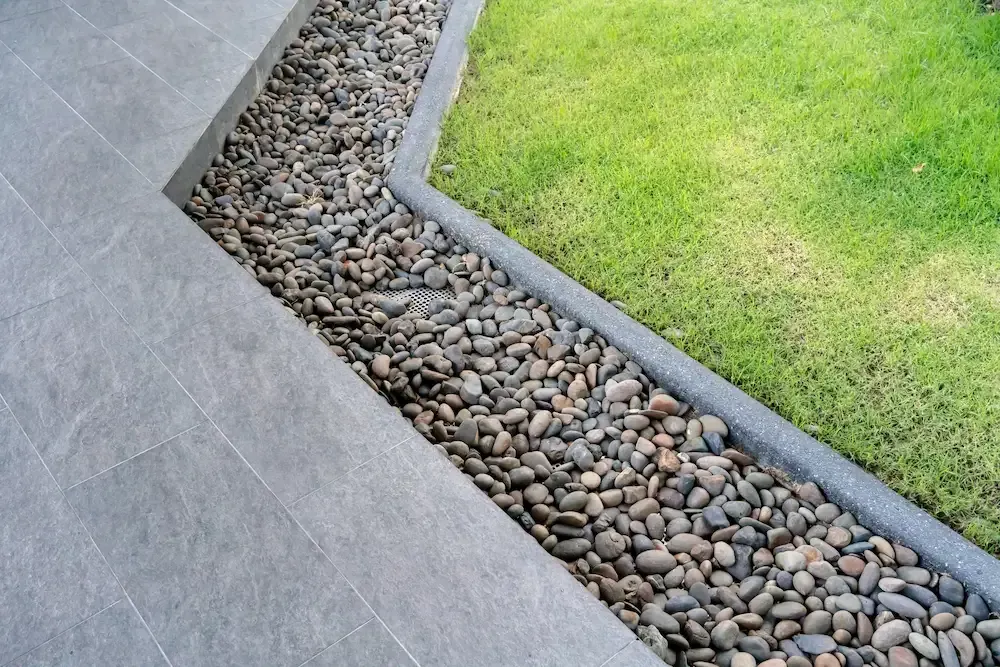
River Rock Smooth, rounded, natural colors Dry creek beds, borders, ponds
Lava Rock Porous, reddish or black Fire-resistant zones, ground cover
Crushed Granite Fine texture, earthy tones Pathways, patios
Pea Gravel Small, rounded, mixed colors Walkways, play areas
Mexican Beach Pebbles Dark, polished, smooth Modern gardens, pool surrounds
White Marble Chips Bright white, reflective Accent beds, contrast areas

River rock and Mexican beach pebbles tend to cost more because they're naturally tumbled and sorted by size. Crushed granite and lava rock are usually more affordable since they require less processing. If budget is a concern, starting with the type column above is a good first filter.

How to Choose the Right Rock

Once you know the general categories, the next step is matching rock to your specific space. This comes down to four practical questions. Answering them in order will narrow your options fast.

1. What's the purpose?

Think about what the rock actually needs to do in that spot. Ground cover, walkways, and accent beds all call for different materials.

  • Ground cover: lava rock or crushed granite hold up well and resist shifting.
  • Walkway: pea gravel or crushed granite compact enough to walk on comfortably.
  • Decorative accent: river rock or Mexican beach pebbles stand out visually.

2. What size fits your space?

Scale matters more than people expect. A large boulder in a tiny flower bed looks out of place, and tiny pebbles scattered across a big open yard can look thin and unfinished.

  • Small spaces: smaller rock gives a refined, tidy look.
  • Large open areas: bigger rock reduces scattering and holds visual weight.

3. What color matches your home?

Rock color interacts with your siding, trim, and roofline more than most people realize. Bringing a sample home before buying in bulk can save you from a mismatch.

  • Warm tones (tan, red, brown) pair well with earthy or traditional exteriors.
  • Cool tones (gray, white, black) suit modern or minimalist designs.

4. How much foot traffic will it see?

This is often the most overlooked factor. Rounded rock looks great but can roll and shift underfoot, while angular rock locks together and stays put.

  • High traffic: angular, compacting rock like crushed granite stays stable.
  • Low traffic: rounded rock like river rock or pea gravel works fine.

Size Guide

Beyond type and color, the actual size of the rock changes both how it looks and how it performs. Smaller rock tends to compact and stay in place, while larger rock is better suited for open areas or drainage.

Size Range Common Use
3/8" or smaller Pathways, fine ground cover
3/4" to 1.5" General landscaping, borders
2" to 4" Accent areas, drainage zones
4"+ (cobble/boulders) Focal points, retaining edges

As a general rule, the smaller the space, the smaller the rock size should be. Reserve larger cobble and boulders for spots where you want a bold focal point rather than full coverage.

Tips for Installation

Even the best rock choice can look messy if it's installed poorly. A little prep work up front makes a big difference in how long it lasts and how clean it looks.

  • Lay landscape fabric first to block weeds.
  • Add a 2 to 3 inch layer of rock for full coverage.
  • Use edging to keep rock contained and neat.
  • Avoid placing rock too close to tree trunks or plant stems.
  • Rinse rock before placing it to remove dust and debris.

Skipping the landscape fabric is one of the most common mistakes. Without it, weeds push through within a season, and rock tends to sink into the soil over time, requiring top-offs sooner than expected.

Cost Considerations

Prices vary quite a bit depending on rock type, size, and how far it has to travel to reach you. Delivery distance alone can add a noticeable amount to your total, especially for heavier rock like river rock or cobble.

  • River rock and pea gravel tend to be budget-friendly.
  • Specialty rock like Mexican beach pebbles costs more.
  • Buying in bulk (by the ton) is usually cheaper than bagged rock.

If you're covering a large area, always ask your supplier for a bulk price per ton rather than pricing by the bag. The savings add up quickly on bigger projects.

Transform Your Landscape With the Right Decorative Rock

Utah Rock & Concrete can help you find the right landscaping materials for your project. Whether you are refreshing a garden bed, improving a pathway, or creating a new outdoor feature, choosing the right material is a crucial first step.

Ready to plan your landscape? Explore your decorative rock options with Utah Rock & Concrete.

Recent Posts

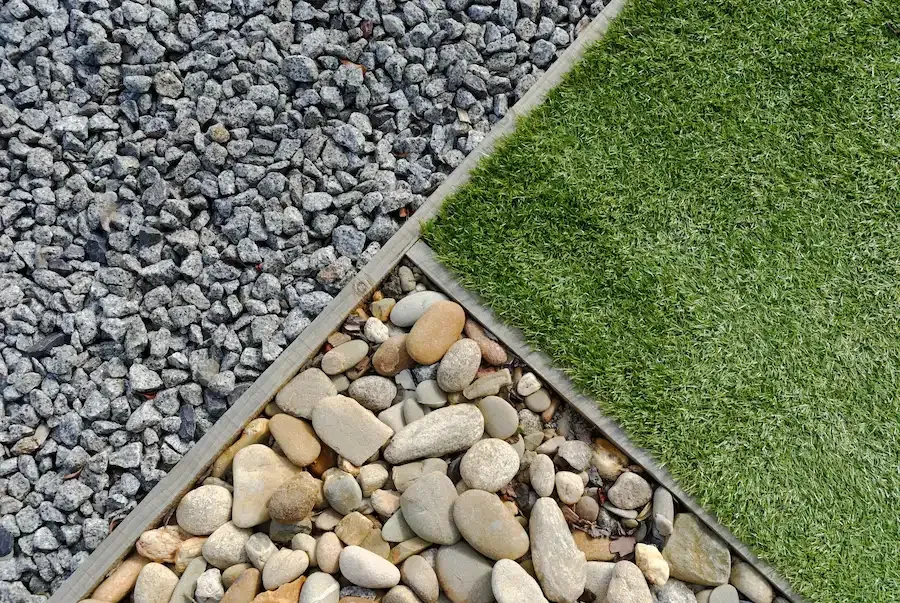
Three-way border between gray gravel, tan river stones, and green grass panels
By Utah Rock & Concrete • September 2, 2026
Avoid costly mistakes when ordering bulk landscaping materials. Learn how to choose the right material, calculate quantities, plan delivery, and more.
Fresh concrete slab foundation under construction with wooden forms and orange markers on a dirt lot
By Utah Rock & Concrete • September 2, 2026
Discover how a properly prepared base can prevent settlement, improve drainage, distribute weight, and support a stronger construction project.
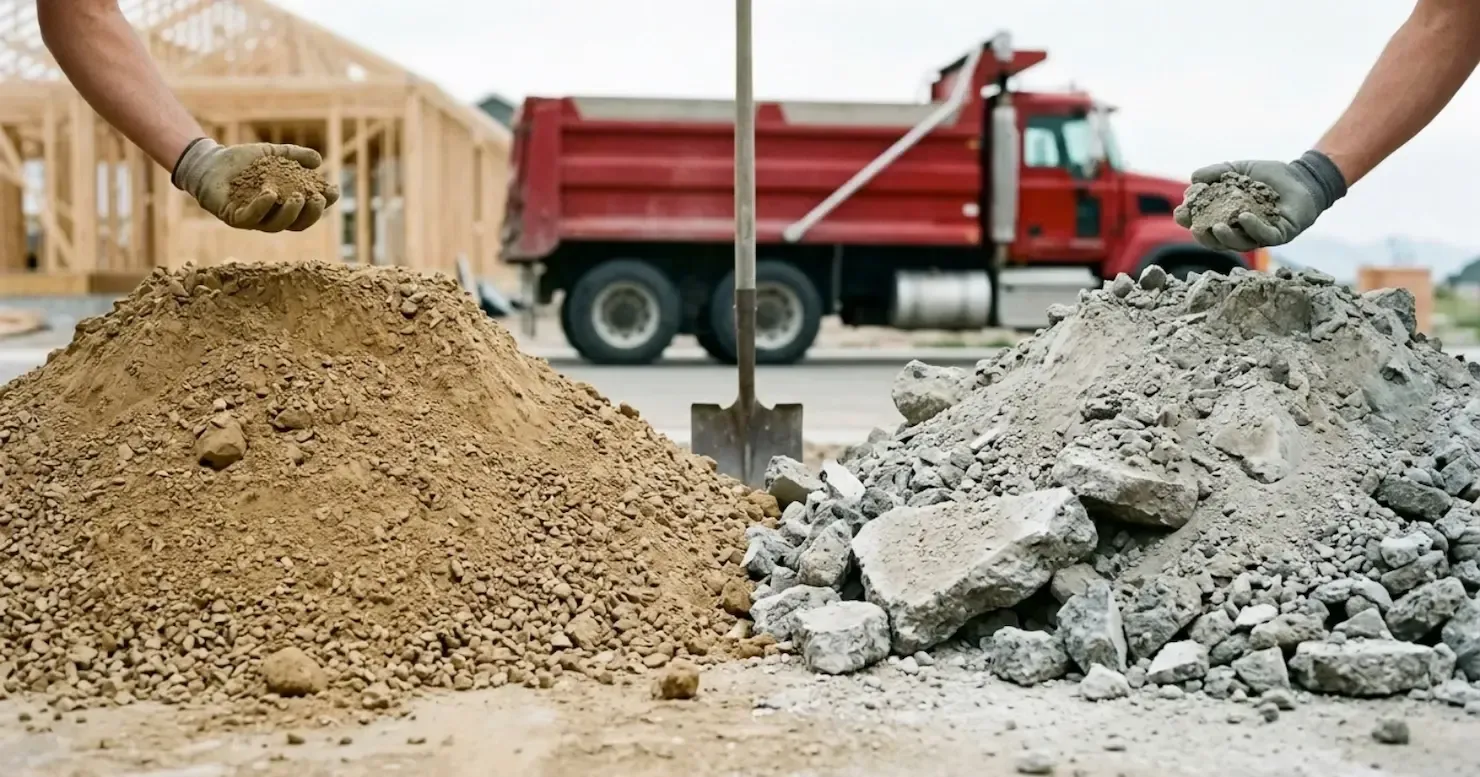
Construction workers dumping sand and gravel into separate piles beside a red dump truck
By Utah Rock & Concrete • September 2, 2026
Learn the differences between hard pack and recycled concrete road base, from composition and compaction to cost and common applications.
Worker smoothing wet concrete with a trowel on a construction site
By Utah Rock & Concrete • September 2, 2026
Explore five common uses for small-batch concrete and learn why it can be a practical option for smaller residential projects.
Blue pickup towing a white cement mixer trailer on a suburban street, with houses and mountains in the background
By Utah Rock & Concrete • September 2, 2026
Find out what to expect when picking up U-Cart concrete, including trailer requirements, towing tips, concrete placement, and return instructions.
Person smoothing wet concrete beside a house with a long-handled tool
By Utah Rock & Concrete • September 2, 2026
Find a reliable small-batch concrete supplier by evaluating order options, pricing, concrete quality, equipment, communication, and reviews.
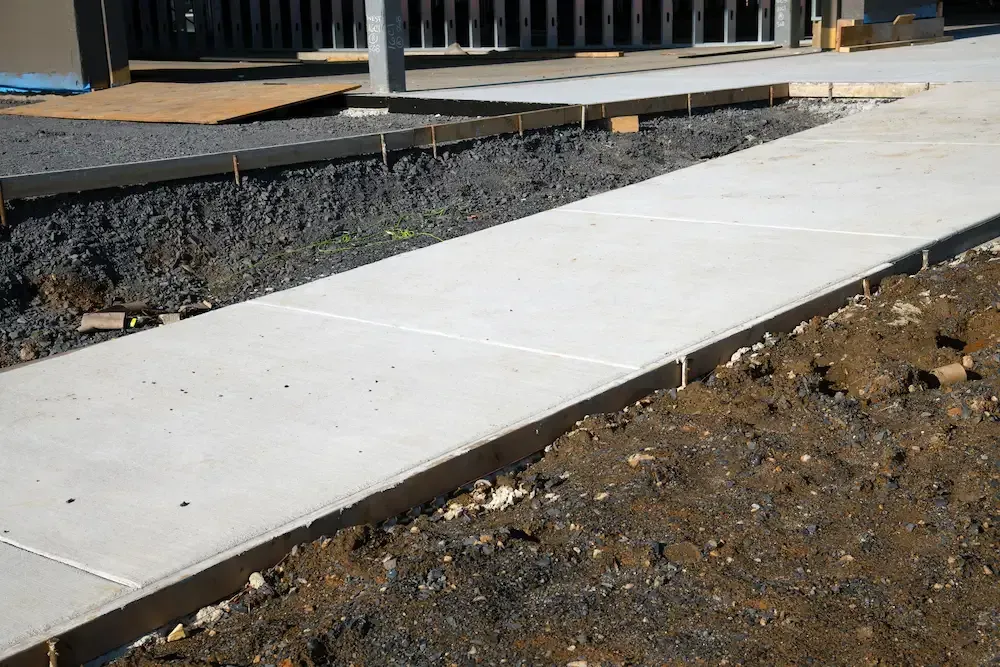
New concrete sidewalk beside a raised wooden deck and gravel path under construction
By Utah Rock & Concrete • September 2, 2026
Learn when to choose small-batch concrete for smaller pours, repairs, restricted access, DIY projects, and other concrete needs.
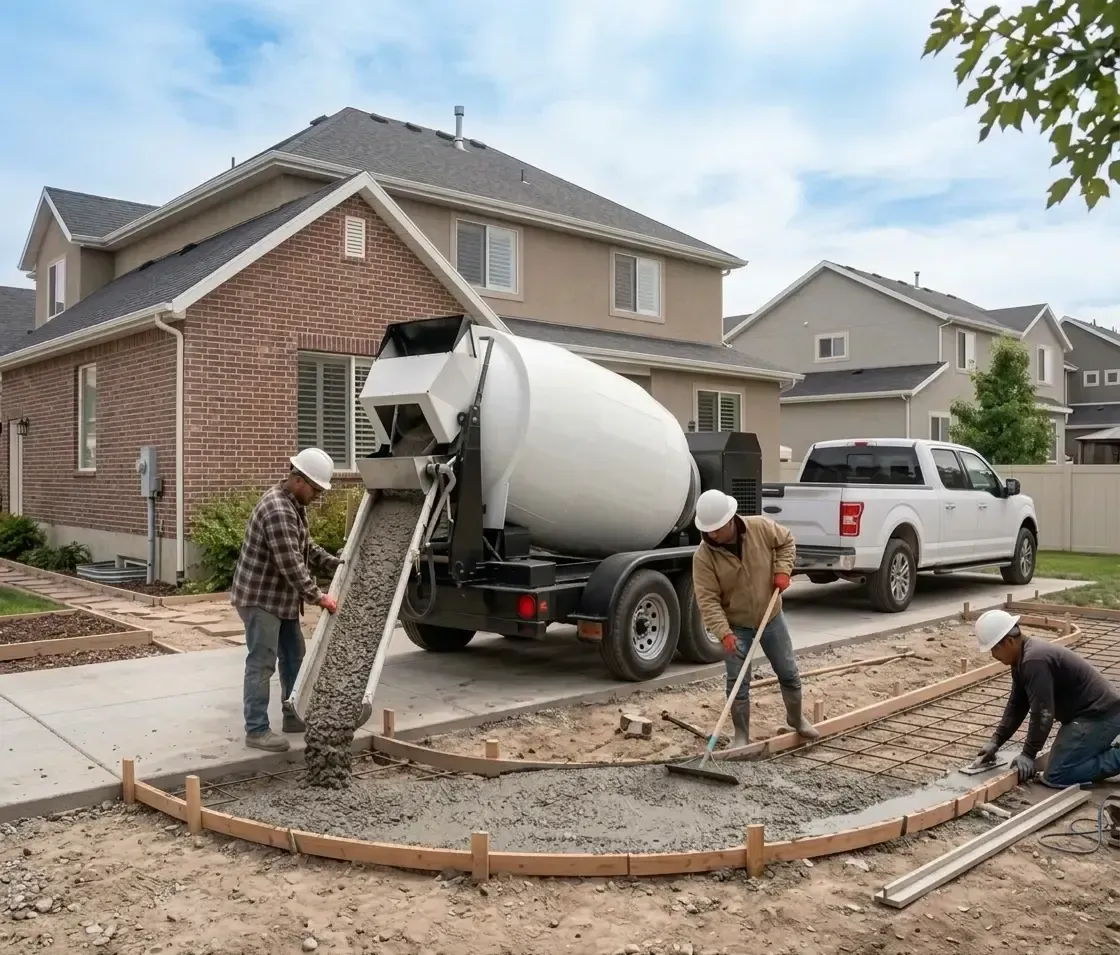
Concrete being poured from a mixer truck into a large pile at a construction site
By Utah Rock & Concrete • September 2, 2026
Learn five important things to consider before ordering ready-mix concrete, from strength and mix design to workability and project specifications.
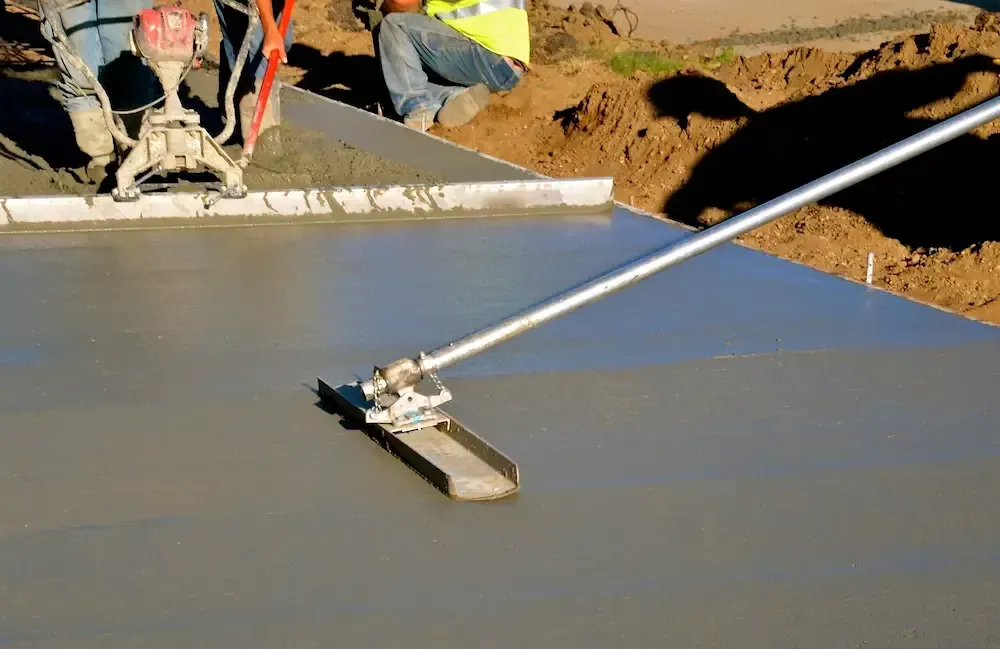
Worker smoothing fresh concrete with a long-handled screed at a construction site
By Utah Rock & Concrete • September 2, 2026
Find out how to estimate your concrete needs for slabs, driveways, patios, and other projects with simple formulas and examples.
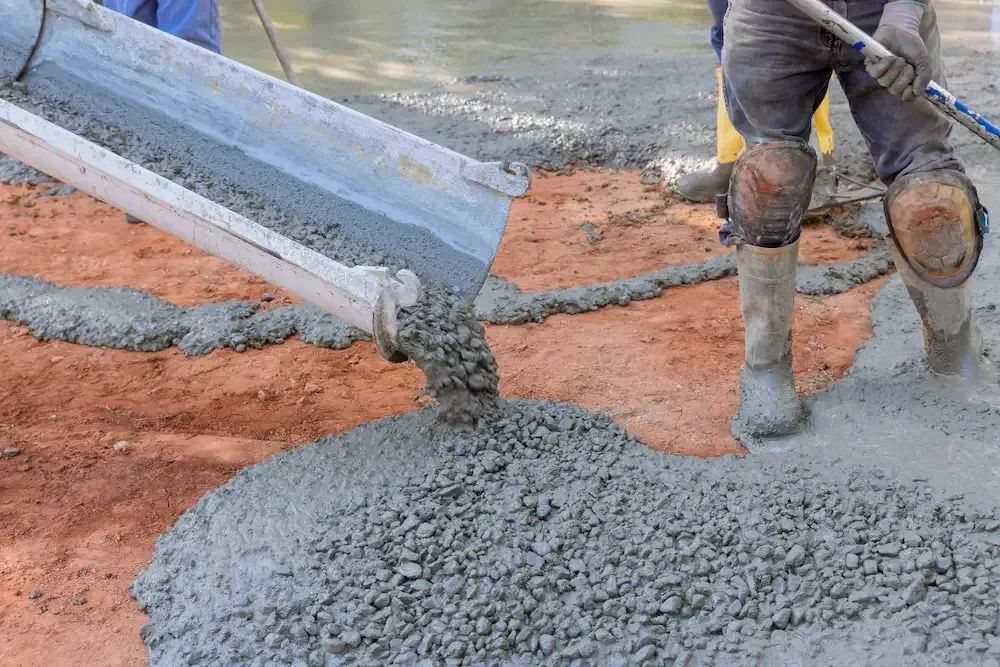
Construction workers pouring wet concrete beside a curb on a road site
By Utah Rock & Concrete • September 2, 2026
Learn when to schedule concrete delivery and how to prepare your Utah jobsite, crew, equipment, and schedule for a smooth concrete pour.
Show More