
How To Calculate the Amount of Concrete You Need

How To Calculate the Amount of Concrete You Need

Utah Rock & Concrete • September 2, 2026

Ordering the right amount of concrete is an important step in any construction project. Too little concrete can leave you scrambling for another delivery while the pour is underway. Ordering too much, on the other hand, can mean paying for material you do not need.

Fortunately, calculating your concrete needs does not have to be complicated. With a few basic measurements and the right formula, you can estimate how much concrete your project requires and place a more accurate order.

Start With Accurate Measurements

The first step is to measure the area where you plan to place the concrete. For a simple rectangular slab, you need three measurements: length, width, and depth. Make sure you use the same unit of measurement for all three dimensions.

For example, if you are pouring a 20-foot-long driveway that is 10 feet wide and 4 inches deep, you have the measurements needed for the calculation. More complex shapes may need to be divided into smaller sections before calculating the total volume.

Double-check each measurement before doing your calculation. Even a small mistake can affect the total amount of concrete you need. For irregular projects, you may need to divide the area into smaller sections.

Use the Basic Concrete Formula

Once you have your measurements, you can calculate the volume of concrete needed. The basic formula is:

Length × Width × Depth = Volume

If your measurements are in feet, convert the concrete depth from inches to feet first. For example, 4 inches is equal to 0.333 feet.

Using the driveway example:

20 ft × 10 ft × 0.333 ft = 66.6 cubic feet

Concrete is typically ordered by the cubic yard, so you will need to convert cubic feet into cubic yards.

66.6 ÷ 27 = 2.47 cubic yards

This means the driveway would require approximately 2.47 cubic yards of concrete before allowing for any extra material.

Add a Little Extra

Your calculation provides an estimate. It is usually a good idea to allow for a small amount of extra concrete. Ground conditions, measurements, and placement can affect the actual amount you use.

Extra material can help account for:

  • Uneven ground conditions
  • Small measurement differences
  • Changes in slab depth
  • Minor variations in the forms
  • Concrete left in equipment

The amount of extra concrete you need depends on the project. Your contractor or concrete supplier can help you determine a reasonable allowance. The goal is to have enough material without significantly overordering.

Calculate Different Shapes Separately

Not every concrete project is a simple rectangle. Driveways may have curves, walkways can change direction, and patios may have irregular sections. Trying to calculate one large irregular area can make the estimate more difficult.

A simple solution is to divide the project into smaller shapes. Calculate the concrete needed for each section, then add the amounts together.

For example, an L-shaped patio can be divided into two rectangles. Calculate the volume of each rectangle separately and combine the results. This method can make the calculation easier and reduce the chance of overlooking part of the project.

Know When to Get Help

Concrete calculations are manageable for straightforward projects, but larger or more complicated pours may require additional planning. Foundations, commercial slabs, retaining structures, and projects with varying depths can involve more detailed calculations.

If you are unsure about your measurements or the amount of concrete you need, talk with your contractor or concrete supplier before placing your order. Providing accurate project details can help them determine the appropriate quantity and delivery schedule.

Get the Right Amount From Utah Rock & Concrete

Calculating your concrete needs starts with accurate measurements and a simple volume calculation. Remember to convert your measurements correctly, change cubic feet to cubic yards, and account for a reasonable amount of extra material.

Whether you are preparing a driveway, patio, slab, foundation, or another project, Utah Rock & Concrete can help you plan your concrete order.

Recent Posts

Gray tile patio beside a pebble border and green grass lawn
By Utah Rock & Concrete • September 2, 2026
Discover the best decorative rock for your yard by comparing rock types, sizes, colors, uses, installation, and cost considerations.
Three-way border between gray gravel, tan river stones, and green grass panels
By Utah Rock & Concrete • September 2, 2026
Avoid costly mistakes when ordering bulk landscaping materials. Learn how to choose the right material, calculate quantities, plan delivery, and more.
Fresh concrete slab foundation under construction with wooden forms and orange markers on a dirt lot
By Utah Rock & Concrete • September 2, 2026
Discover how a properly prepared base can prevent settlement, improve drainage, distribute weight, and support a stronger construction project.
Construction workers dumping sand and gravel into separate piles beside a red dump truck
By Utah Rock & Concrete • September 2, 2026
Learn the differences between hard pack and recycled concrete road base, from composition and compaction to cost and common applications.
Worker smoothing wet concrete with a trowel on a construction site
By Utah Rock & Concrete • September 2, 2026
Explore five common uses for small-batch concrete and learn why it can be a practical option for smaller residential projects.
Blue pickup towing a white cement mixer trailer on a suburban street, with houses and mountains in the background
By Utah Rock & Concrete • September 2, 2026
Find out what to expect when picking up U-Cart concrete, including trailer requirements, towing tips, concrete placement, and return instructions.
Person smoothing wet concrete beside a house with a long-handled tool
By Utah Rock & Concrete • September 2, 2026
Find a reliable small-batch concrete supplier by evaluating order options, pricing, concrete quality, equipment, communication, and reviews.
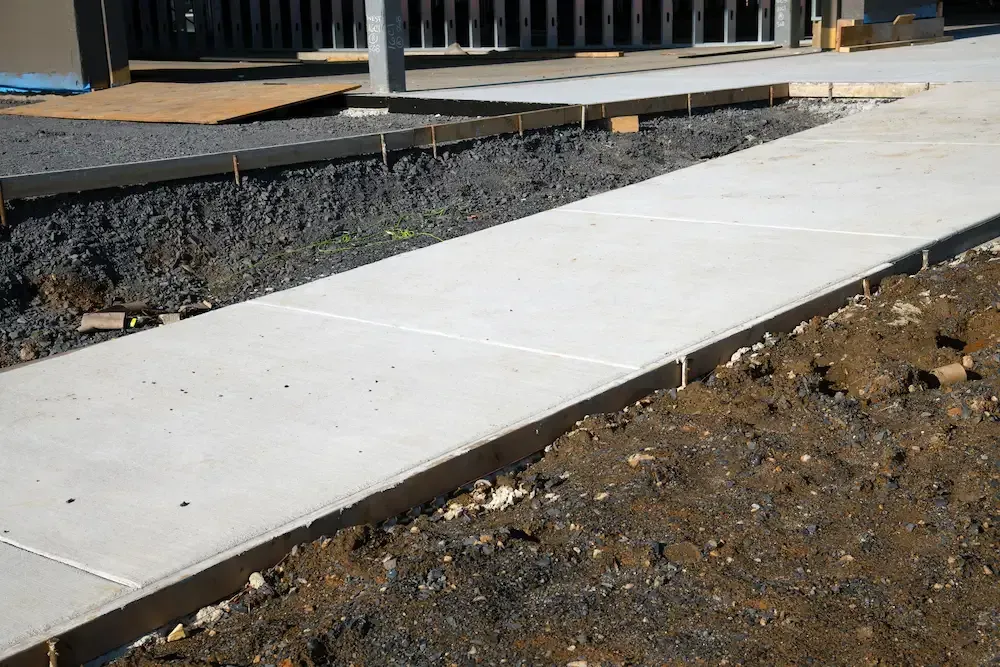
New concrete sidewalk beside a raised wooden deck and gravel path under construction
By Utah Rock & Concrete • September 2, 2026
Learn when to choose small-batch concrete for smaller pours, repairs, restricted access, DIY projects, and other concrete needs.
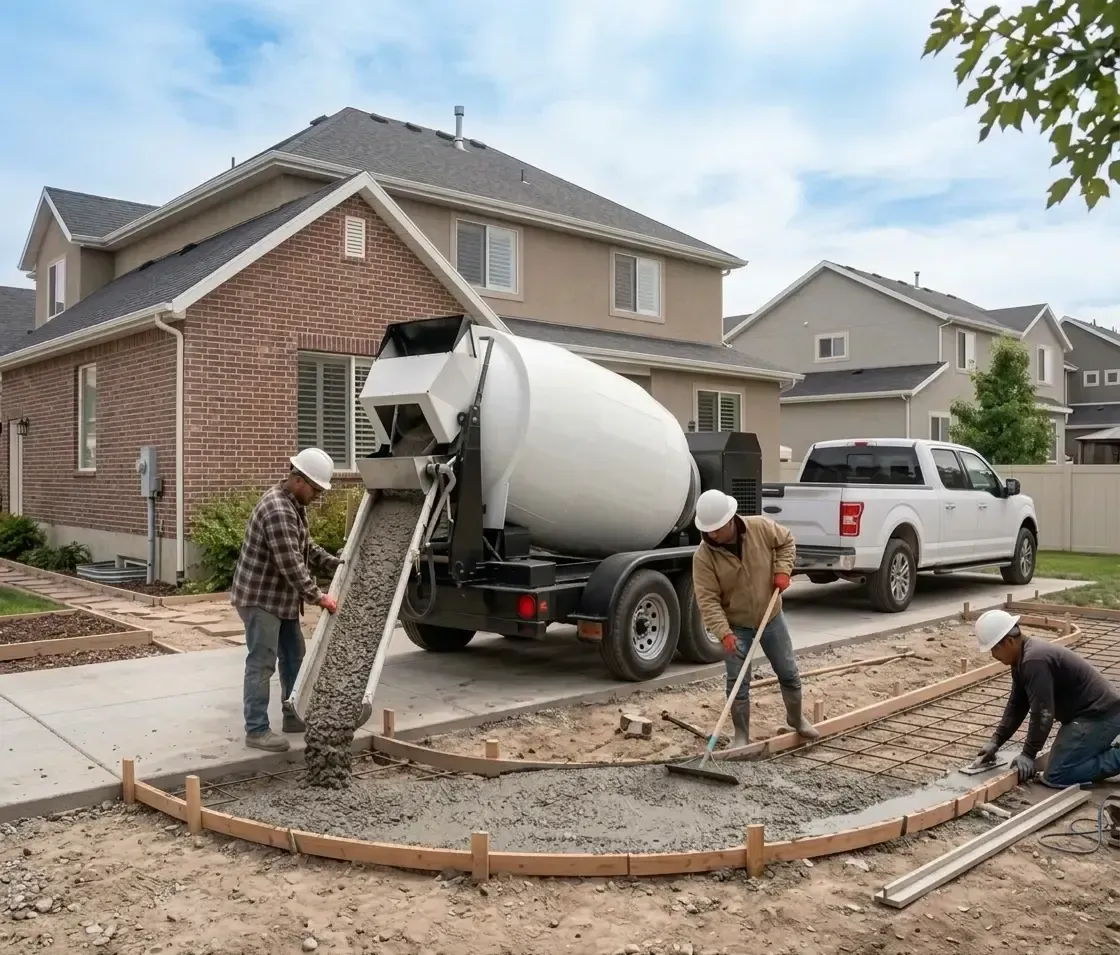
Concrete being poured from a mixer truck into a large pile at a construction site
By Utah Rock & Concrete • September 2, 2026
Learn five important things to consider before ordering ready-mix concrete, from strength and mix design to workability and project specifications.
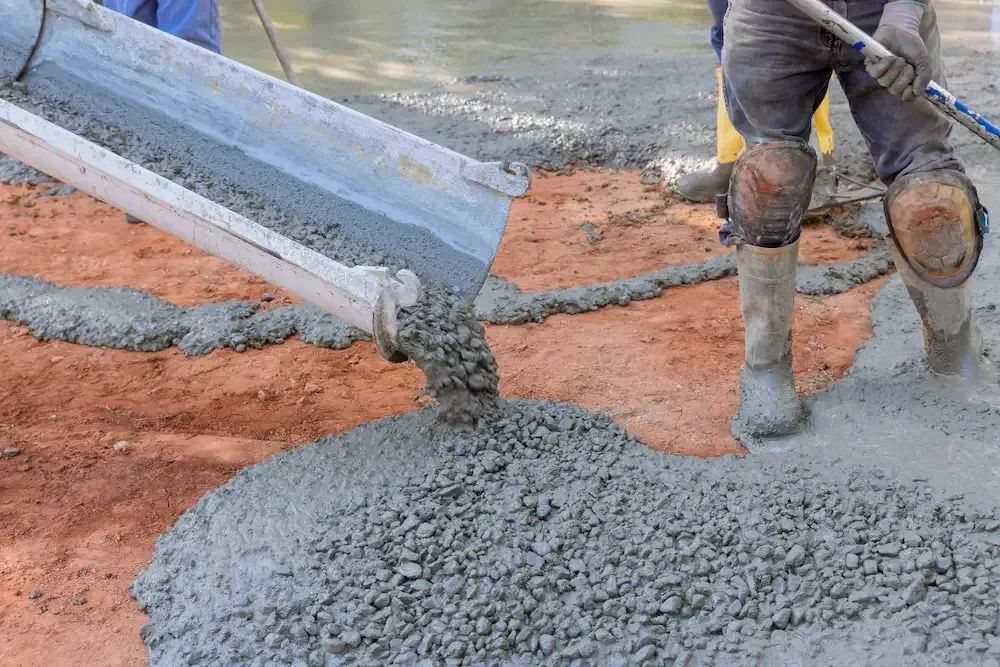
Construction workers pouring wet concrete beside a curb on a road site
By Utah Rock & Concrete • September 2, 2026
Learn when to schedule concrete delivery and how to prepare your Utah jobsite, crew, equipment, and schedule for a smooth concrete pour.
Show More