Avoid These Common Mistakes When Ordering Bulk Landscaping Materials
Ordering landscaping materials in bulk can save time, reduce repeated deliveries, and make a large project easier to manage. However, buying a large quantity does not automatically mean you are getting the best value.
A wrong estimate can leave you with a pile of unused material. Ordering too little can bring the project to a stop when you run out. Even choosing the wrong material can create drainage, appearance, or installation problems later.
Whether you are working on a residential yard, commercial property, garden, driveway, or larger outdoor project, a little planning can prevent unnecessary costs.
Here are some common mistakes to avoid when ordering bulk landscaping materials.
1. Ordering Without Measuring the Area
One of the biggest mistakes is guessing how much material you need.
It can be tempting to look at the project area and make a rough estimate. Unfortunately, even a small miscalculation can become significant when ordering materials by the cubic yard or ton.
Before placing your order, measure the area where the material will be installed.
For a basic rectangular space, you generally need:
- Length
- Width
- Desired depth
These measurements can help determine the volume of material required.
For irregularly shaped areas, divide the space into smaller sections. Calculate each section separately and then add the amounts together.
You should also consider the type of material you are ordering. Different materials have different densities and coverage rates.
If you are unsure about the calculation, ask your supplier for help before finalizing the order.
2. Choosing the Wrong Material
Not every landscaping material is suitable for every application.
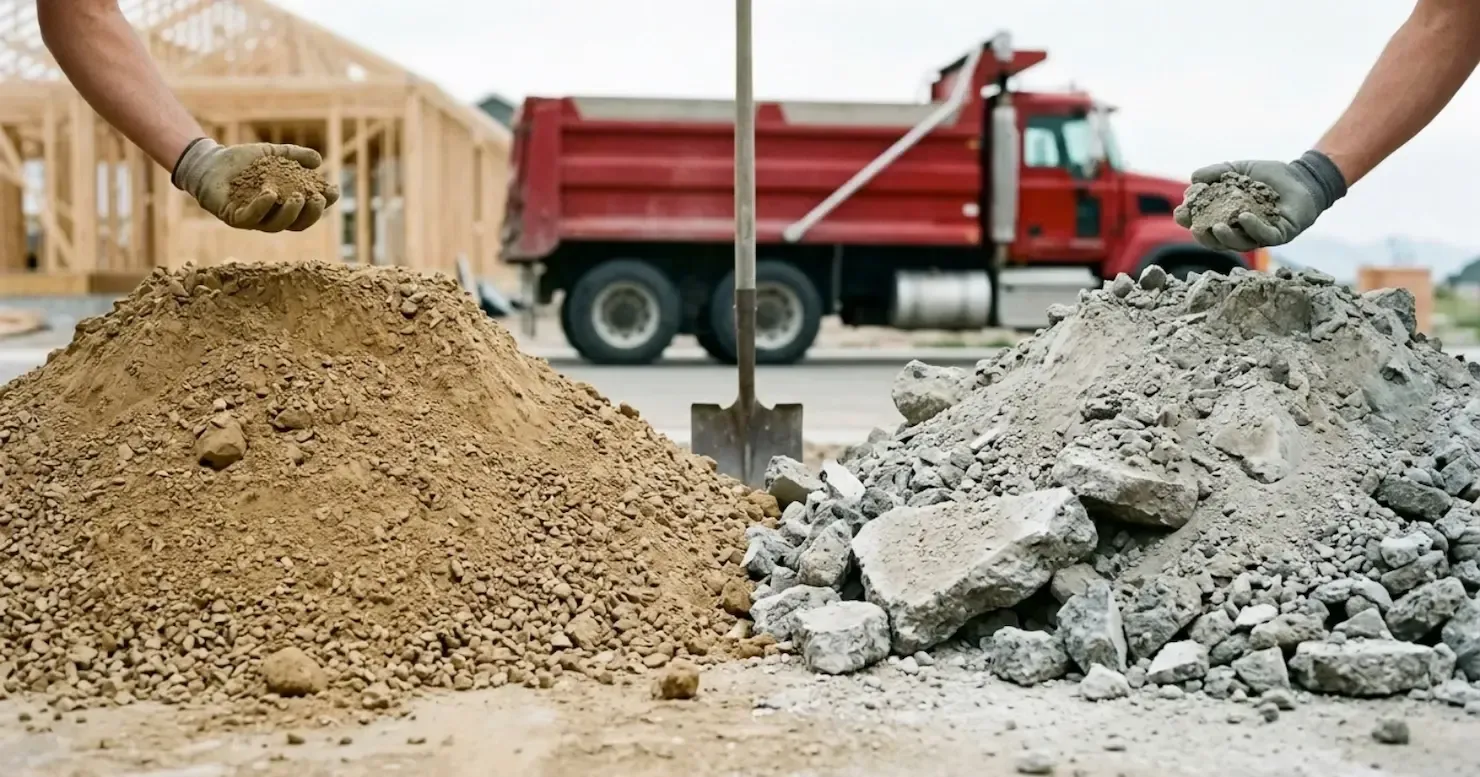
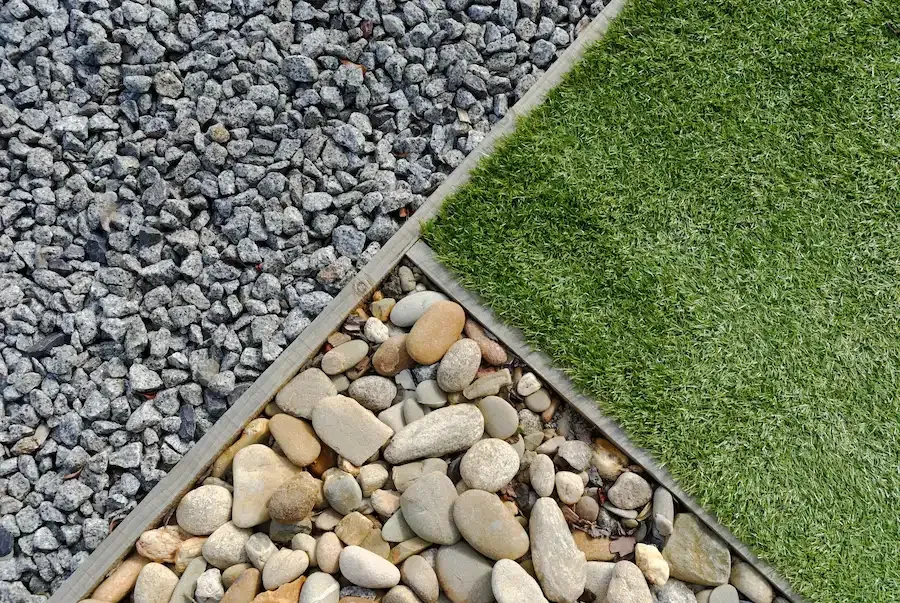
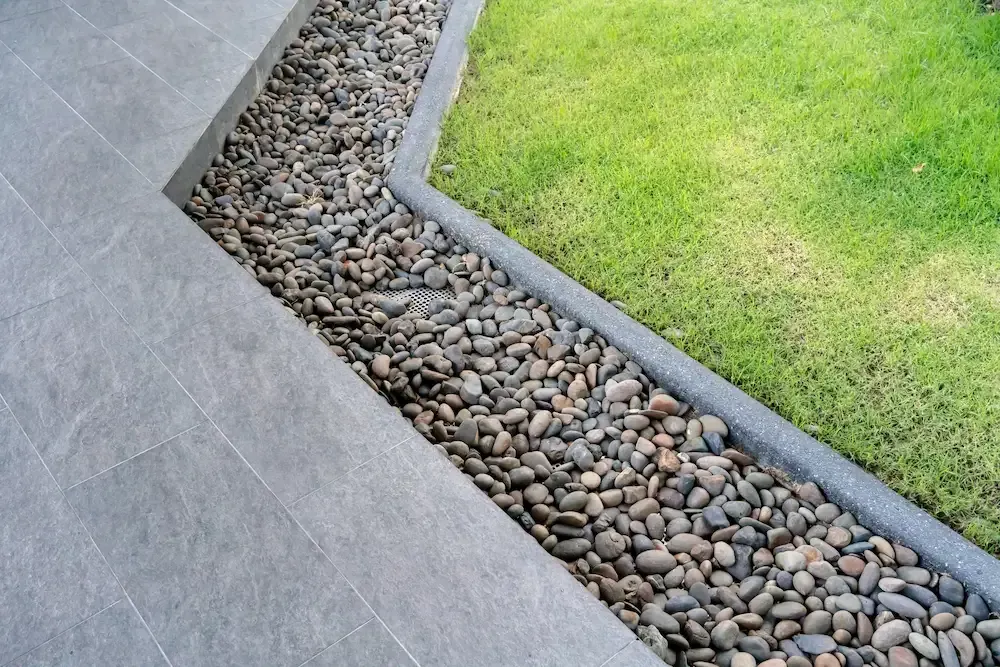
Gravel, decorative rock, sand, mulch, topsoil, and other aggregates each have different properties. Choosing based only on appearance or price can create problems later.
For example, a decorative rock may look great around a garden but may not be the best choice for an area that experiences frequent vehicle traffic.
Consider the purpose of the material before ordering.
| Material | Common Use |
|---|---|
| Mulch | Garden beds, tree rings, moisture retention |
| Topsoil | Planting areas, lawn preparation, garden beds |
| Decorative rock | Garden borders, landscaping features, ground cove |
| Gravel | Driveways, walkways, drainage, utility areas |
| Sand | Certain landscaping, leveling, and construction applications |
| Base aggregate | Foundations beneath driveways, paths, and other surfaces |
The exact properties can vary between products. Ask your supplier about the material's intended applications before making a decision.
3. Focusing Only on the Price
A low price can be attractive, especially when purchasing a large quantity.
However, the cheapest material is not always the most cost-effective option.
Your total expense may include more than the material itself. Consider:
- Material cost
- Delivery charges
- Minimum order requirements
- Site preparation
- Labor
- Equipment
- Additional deliveries
- Disposal of excess material
For example, ordering a cheaper product from a supplier located much farther away may result in higher delivery costs.
A slightly more expensive local option could potentially provide better overall value.
When comparing suppliers, look at the
total delivered cost, not just the advertised price per ton or cubic yard.
4. Forgetting About Delivery Access
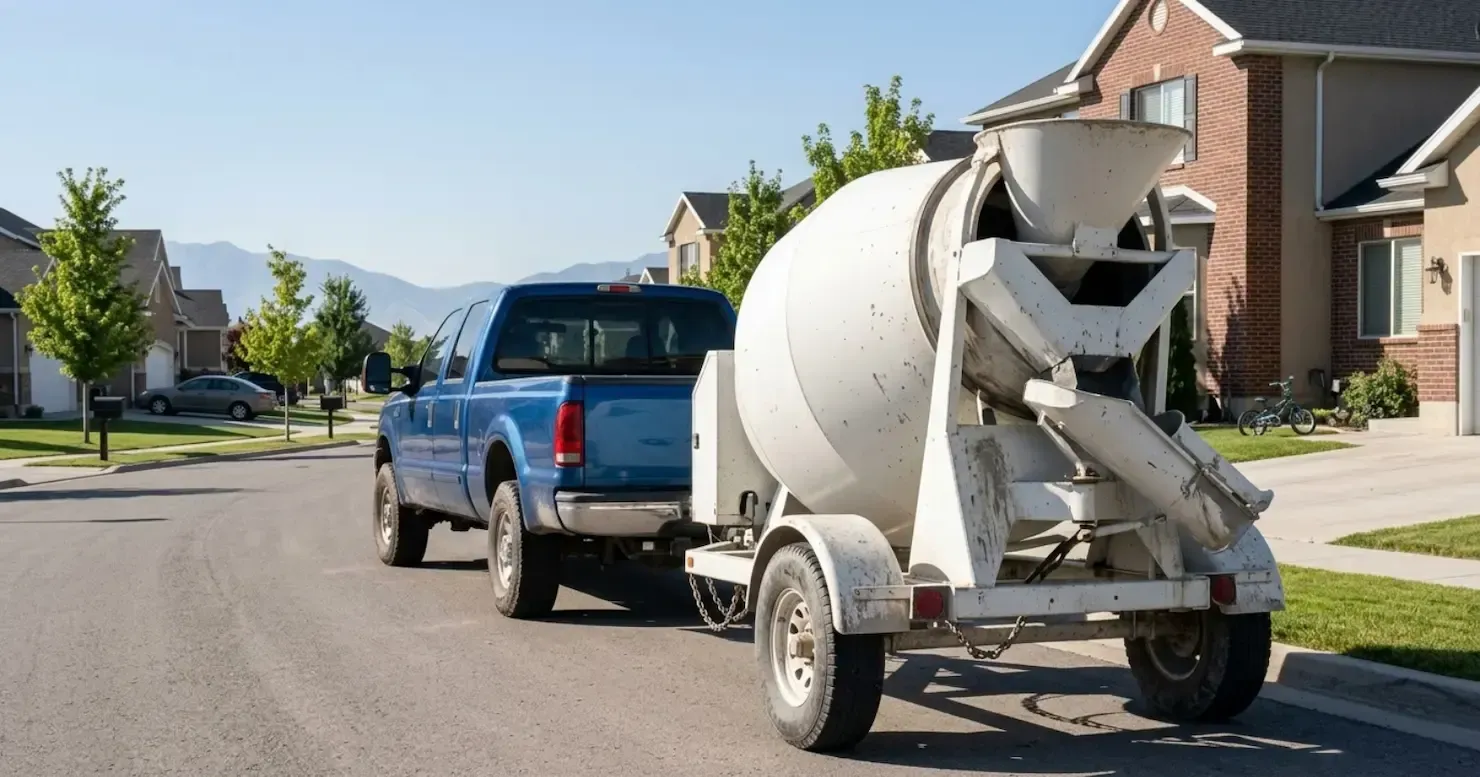
Bulk landscaping materials are typically delivered by truck. That means your property needs to be accessible to the delivery vehicle.
A delivery can become complicated if the truck cannot reach the intended drop-off location.
Before ordering, check for potential obstacles such as:
- Narrow driveways
- Low tree branches
- Gates
- Utility lines
- Parked vehicles
- Soft ground
- Steep slopes
- Tight turns
You should also decide exactly where the material will be placed.
A truck may be able to access your property but still be unable to reach the location you originally planned.
Discuss the delivery conditions with your supplier ahead of time. If necessary, provide information about the driveway, access road, or drop-off area.
A few minutes of planning can help avoid delivery-day surprises.
5. Ordering Too Much Material
Having a little extra material can be useful. Ordering significantly more than you need, however, can create a different problem.
Bulk landscaping materials take up space. A large pile of leftover gravel, mulch, soil, or rock may remain on your property long after the project is finished.
Excess material can also mean:
- Unnecessary spending
- Additional labor
- Storage problems
- Disposal costs
- Changes to the finished landscape
Try to calculate your needs carefully before ordering.
It is also helpful to ask your supplier about the typical coverage of the material. This can help you compare your measurements with the amount being ordered.
6. Ordering Too Little
The opposite mistake can be just as frustrating.
Running out of material halfway through a project may leave an unfinished area while you wait for another delivery.
A second order can also affect your budget. You may need to pay another delivery fee, and the material may not be available immediately.
This is particularly important when consistency matters.
For example, if you are installing decorative rock across a large area, a different batch could potentially have slight variations in color, size, or appearance.
To reduce the risk of running short, double-check your calculations and discuss the appropriate quantity with your supplier.
7. Ignoring Material Depth
Coverage is not just about the size of the area.
The depth of the material also matters.
A landscaping project may call for a specific depth based on its intended purpose. A thin layer may not provide enough coverage, while an unnecessarily thick layer can increase costs and affect the landscape's appearance.
Before ordering, determine how deep the material should be installed.
For example, consider these factors:
- What is the material being used for?
- Will people or vehicles travel over it?
- Is it decorative or functional?
- Will it settle after installation?
- Does the manufacturer or supplier recommend a specific depth?
Do not assume that one depth works for every material or application.
8. Overlooking Site Preparation
Even high-quality landscaping material may not perform properly if the area underneath is poorly prepared.
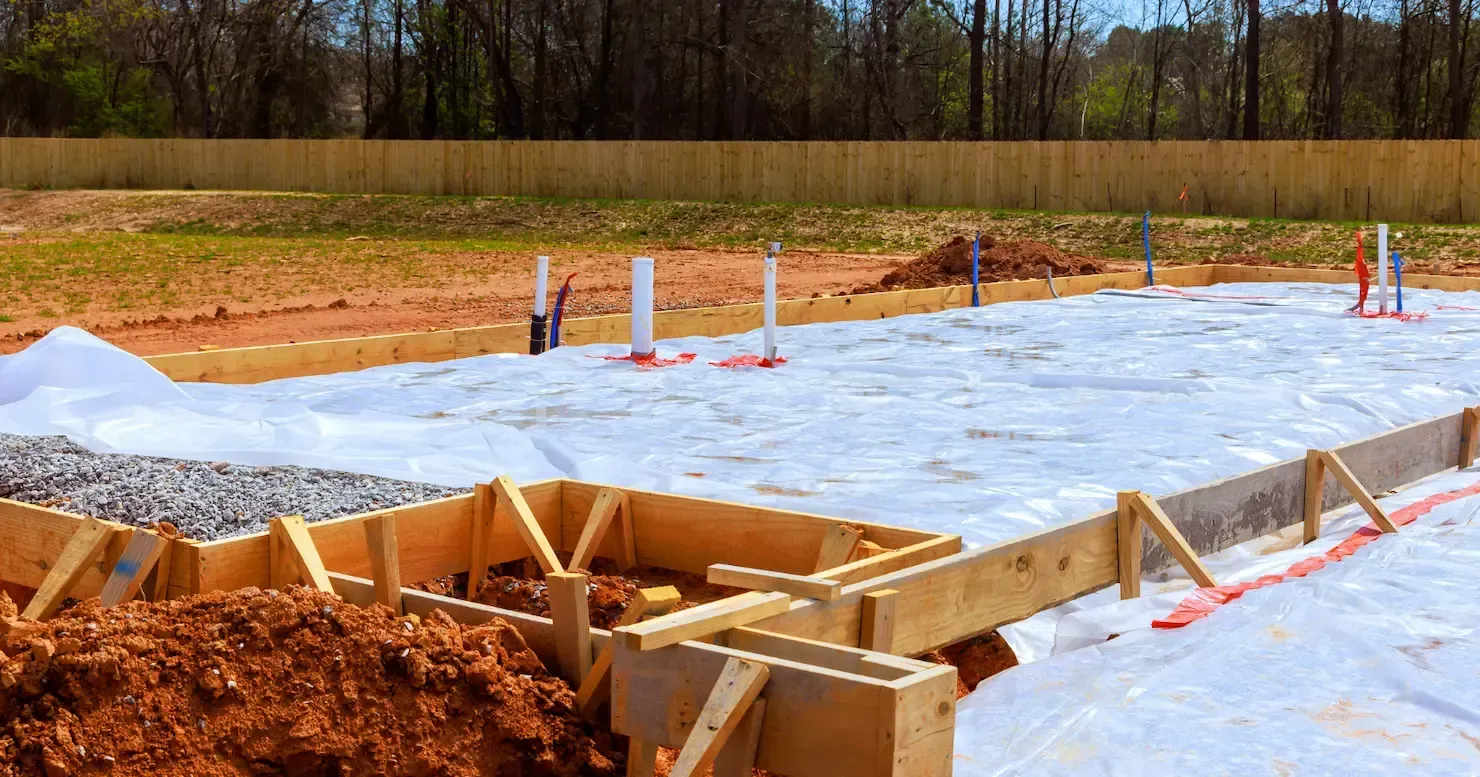
Depending on the project, preparation may involve removing weeds, clearing debris, leveling the area, improving drainage, or installing a suitable base.
For some projects, additional preparation may be necessary before the bulk material arrives.
A simple checklist can help:
- Clear unwanted vegetation.
- Remove debris and obstacles.
- Establish the desired grade.
- Address drainage problems.
- Prepare the underlying soil or base.
- Mark the delivery area.
Preparing the site before delivery also gives you somewhere organized to place the material.
9. Waiting Until the Last Minute to Order
Bulk material orders require coordination.
Waiting until the day before you need the material may limit your delivery options. Your preferred supplier could already be booked, especially during busy construction and landscaping seasons.
Last-minute ordering can also make it harder to coordinate labor and equipment.
Instead, plan the order around your project schedule.
Before placing the order, confirm:
- Delivery date
- Delivery time
- Material type
- Quantity
- Delivery location
- Additional fees
- Payment requirements
Having these details confirmed can make the process much smoother.
10. Failing to Ask Questions
You do not need to know everything about landscaping materials before placing an order.
That is one reason it helps to communicate with your supplier.
Ask questions if you are unsure about the material, quantity, coverage, or delivery process.
Useful questions may include:
| Question | Why Ask It? |
|---|---|
| What material is best for this application? | Helps avoid choosing an unsuitable product |
| How much do I need? | Can help verify your calculations |
| What coverage can I expect? | Helps estimate the required quantity |
| How is the material delivered? | Helps you prepare the site |
| Are there minimum order requirements? | Prevents unexpected costs |
| Are delivery fees included? | Gives you a clearer total price |
| How should the material be stored or installed? | Proper compaction helps create a stable foundation. |
A good supplier should be willing to explain the material and answer reasonable questions before you place the order.
Make Bulk Landscaping Orders Easier
Ordering landscaping materials in bulk does not have to be complicated. The key is to plan before the delivery truck arrives.
Start by measuring the project carefully. Then choose a material that fits the application, calculate the appropriate quantity, prepare the site, and confirm the delivery details.
Keep these common mistakes in mind:
- Do not guess your material quantity.
- Do not choose a material based only on appearance.
- Do not compare prices without considering delivery costs.
- Do not overlook truck access.
- Do not order significantly more than you need.
- Do not forget to account for material depth.
- Do not leave site preparation until the last minute.
- Do not hesitate to ask your supplier questions.
Bulk ordering can be a practical way to handle larger landscaping projects. With accurate measurements and proper planning, you can order the right material in a quantity that makes sense for your project.
Most importantly, discuss your project with your landscaping materials supplier, like Utah Rock & Concrete, before placing a large order. They can help you understand your options, confirm quantities, and prepare for delivery. Doing so can help you spend less time dealing with avoidable problems and more time completing the project.