Hard Pack vs. Recycled Concrete Road Base: What's the Difference?

Hard Pack vs. Recycled Concrete Road Base: What's the Difference?

Utah Rock & Concrete • September 2, 2026

If you're planning a driveway, parking lot, or road project, you've probably run into two common base material options: hard pack and recycled concrete. Both work well as a foundation layer. But they're not the same, and picking the right one can save you money and headaches down the road.

Here's a simple breakdown to help you decide.

What Is Hard Pack?

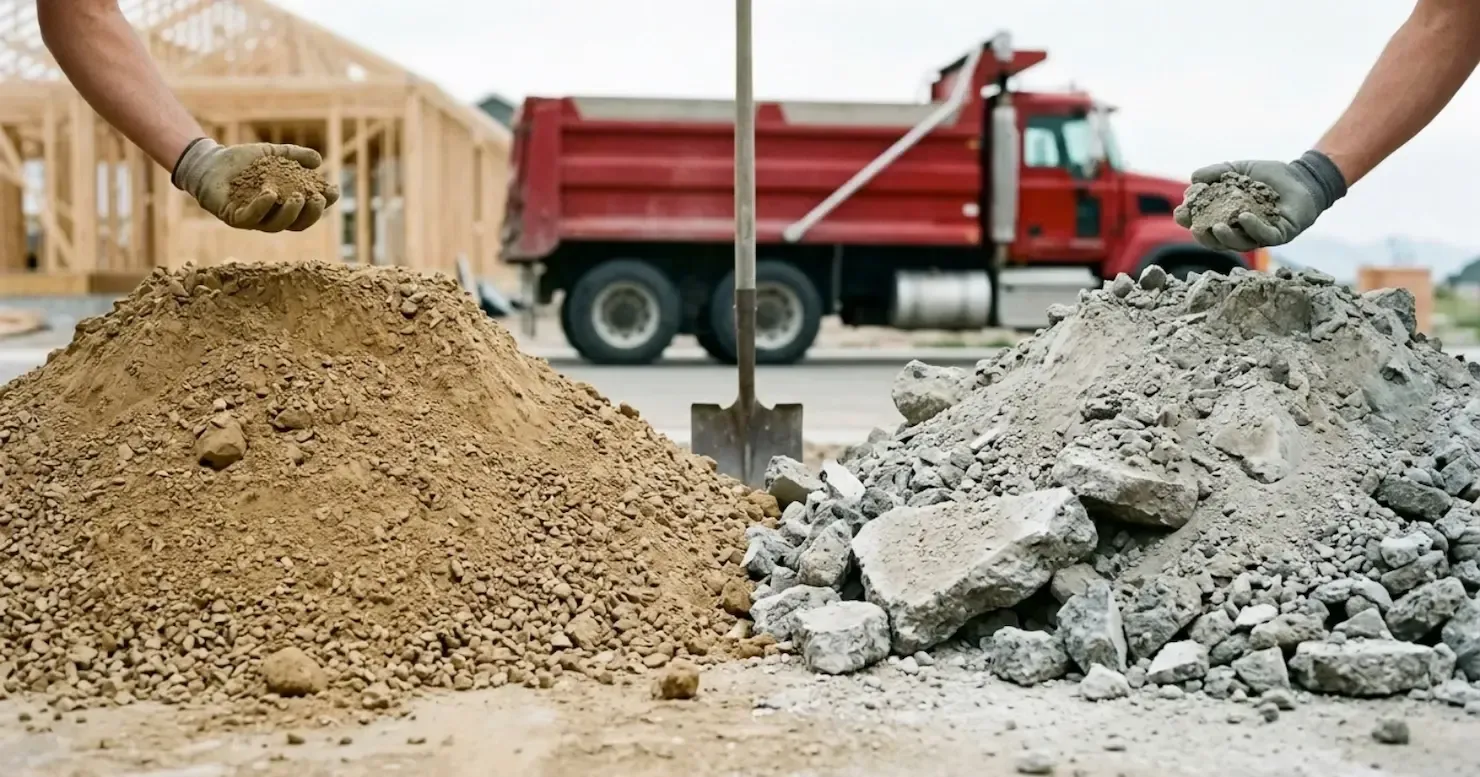
Hard pack, sometimes called Class II road base, is a natural aggregate material. It's usually a mix of crushed rock, sand, and fine particles. When compacted, it locks together tightly and creates a firm, stable surface.

Key traits of hard pack:

  • Made from natural quarried rock
  • Contains a mix of particle sizes for tight compaction
  • Commonly used under driveways, patios, and light roads
  • Compacts into a smooth, dense surface
  • Generally more consistent in quality and gradation

What Is Recycled Concrete Road Base?

Recycled concrete base (often called RCA, or recycled concrete aggregate) is made by crushing old concrete from demolished sidewalks, buildings, or roads. It's screened and processed to remove debris like rebar, then graded into usable sizes.

Key traits of recycled concrete:

  • Made from crushed, reclaimed concrete
  • More budget-friendly than virgin materials
  • Environmentally friendly and reduces landfill waste
  • Slightly more variable in composition
  • Compacts well but may contain more fines or leftover residue

Side-by-Side Comparison

Feature Hard Pack Recycled Concrete
Source Natural quarried rock Crushed old concrete
Cost Moderate to higher Typically cheaper
Consistency Very consistent Can vary by batch
Compaction Excellent, tight lock Good, slightly looser
Drainage Moderate Often better drainage
Eco-impact Uses new resources Recycle waste material
Driveways, patio, walkways Roads, parking lots, base fill

Which One Should You Choose?

It depends on your project goals. Here's a quick guide:

Choose hard pack if:

  • You want a smooth, tightly compacted surface
  • Your project needs a consistent, predictable material
  • You're building a driveway or patio base
  • Appearance and fine grading matter

Choose recycled concrete if:

  • You're working with a larger budget-conscious project
  • You care about sustainability and reducing waste
  • You need a base for a road, lot, or large fill area
  • Drainage is a priority

Cost Considerations

Recycled concrete is often 20% to 30% cheaper than hard pack. This is because it reuses existing material instead of quarrying new rock. If you're covering a large area, that savings adds up fast.

However, hard pack may reduce long-term maintenance costs. Its consistent gradation means fewer surprises during compaction and fewer soft spots later.

Durability and Performance

Both materials perform well when installed correctly. The real difference comes down to installation quality.

  • Hard pack needs proper moisture content for ideal compaction.
  • Recycled concrete needs good screening to remove leftover debris.

If either material is poorly compacted, you'll get settling, cracking, or drainage issues regardless of which one you picked.

Get the Right Road Base for Your Project with Utah Rock & Concrete

Both hard pack and recycled concrete road base get the job done. Hard pack offers consistency and a refined finish. Recycled concrete offers cost savings and a smaller environmental footprint.

Think about your budget, your project type, and your priorities. Then choose the base material that fits your needs best. Either way, proper compaction and installation will matter more than the material itself.

If you're still unsure, talk to us. We can help you explore your road base options and find the right material for your project. You can also call (801) 709-5555 to ask about pricing and availability.

Recent Posts

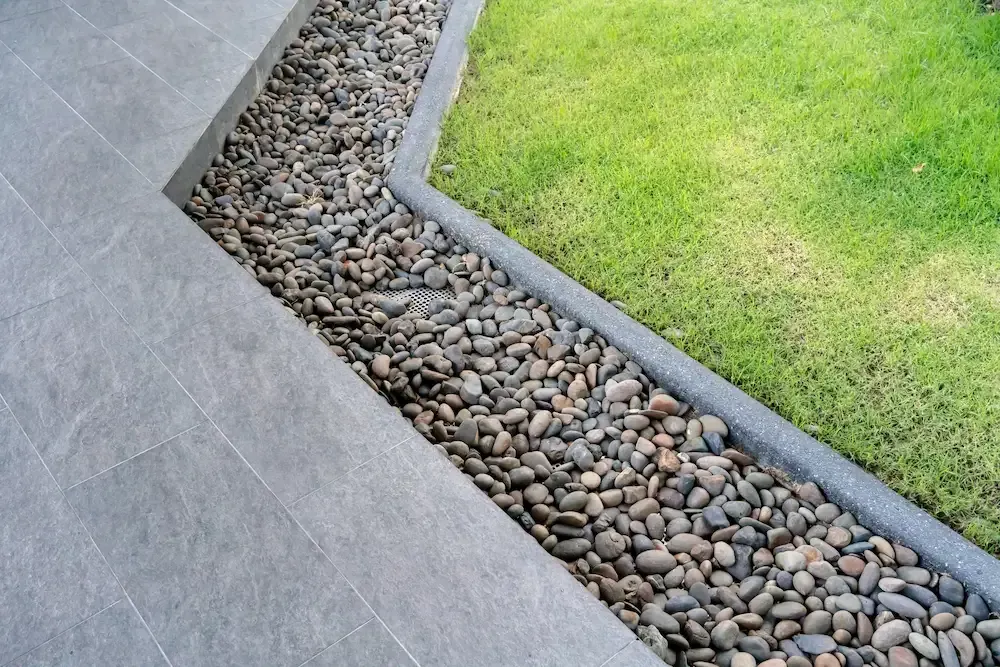
Gray tile patio beside a pebble border and green grass lawn
By Utah Rock & Concrete • September 2, 2026
Discover the best decorative rock for your yard by comparing rock types, sizes, colors, uses, installation, and cost considerations.
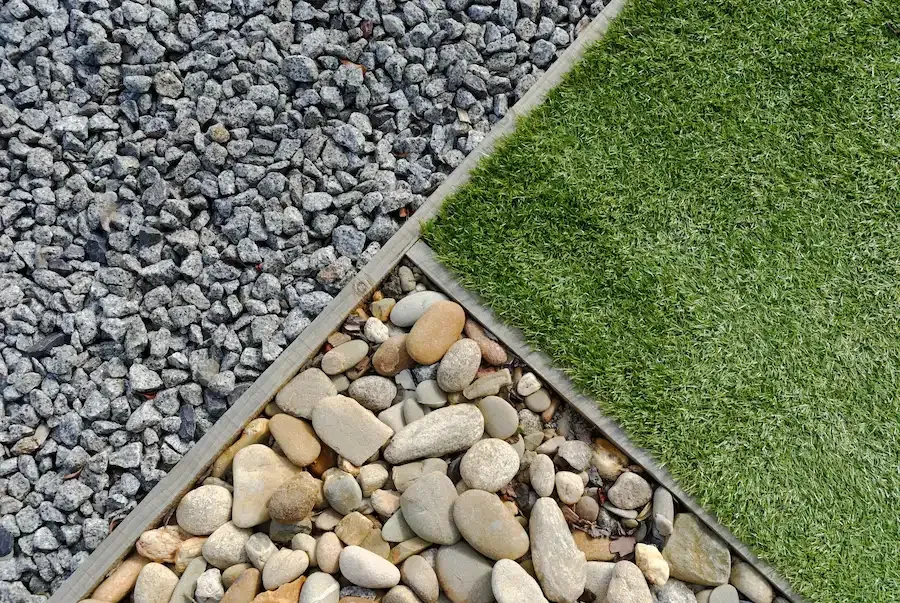
Three-way border between gray gravel, tan river stones, and green grass panels
By Utah Rock & Concrete • September 2, 2026
Avoid costly mistakes when ordering bulk landscaping materials. Learn how to choose the right material, calculate quantities, plan delivery, and more.
Fresh concrete slab foundation under construction with wooden forms and orange markers on a dirt lot
By Utah Rock & Concrete • September 2, 2026
Discover how a properly prepared base can prevent settlement, improve drainage, distribute weight, and support a stronger construction project.
Worker smoothing wet concrete with a trowel on a construction site
By Utah Rock & Concrete • September 2, 2026
Explore five common uses for small-batch concrete and learn why it can be a practical option for smaller residential projects.
Blue pickup towing a white cement mixer trailer on a suburban street, with houses and mountains in the background
By Utah Rock & Concrete • September 2, 2026
Find out what to expect when picking up U-Cart concrete, including trailer requirements, towing tips, concrete placement, and return instructions.
Person smoothing wet concrete beside a house with a long-handled tool
By Utah Rock & Concrete • September 2, 2026
Find a reliable small-batch concrete supplier by evaluating order options, pricing, concrete quality, equipment, communication, and reviews.
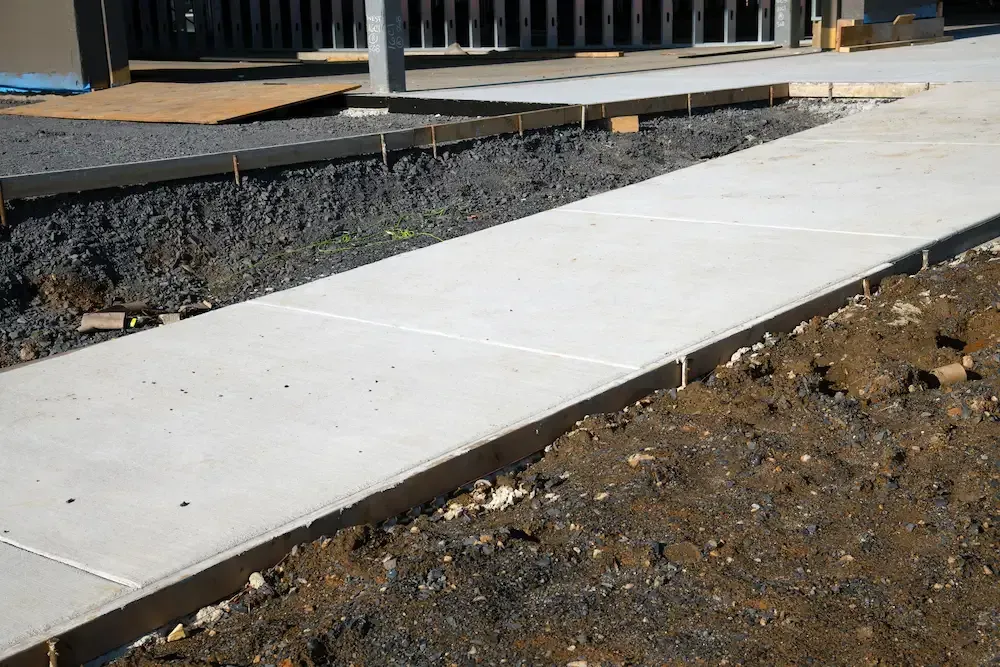
New concrete sidewalk beside a raised wooden deck and gravel path under construction
By Utah Rock & Concrete • September 2, 2026
Learn when to choose small-batch concrete for smaller pours, repairs, restricted access, DIY projects, and other concrete needs.
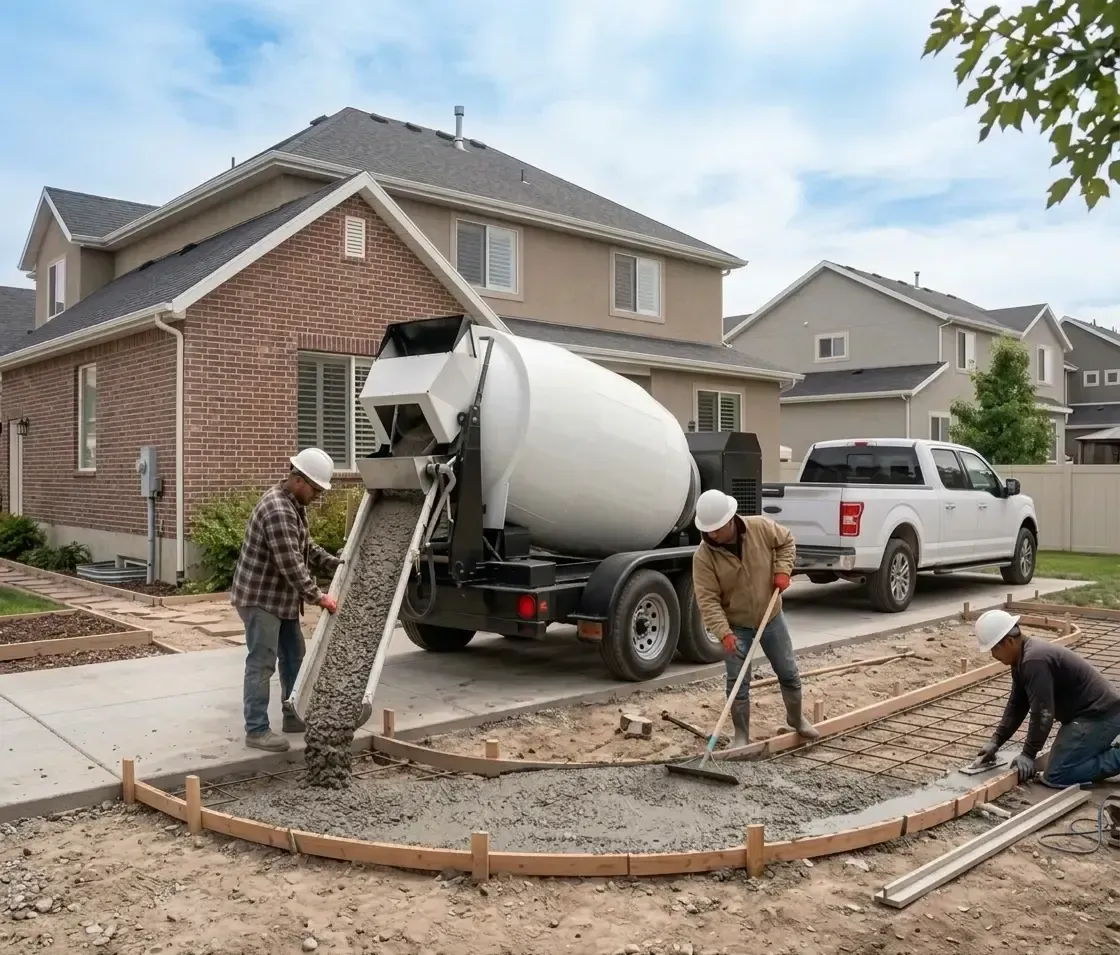
Concrete being poured from a mixer truck into a large pile at a construction site
By Utah Rock & Concrete • September 2, 2026
Learn five important things to consider before ordering ready-mix concrete, from strength and mix design to workability and project specifications.
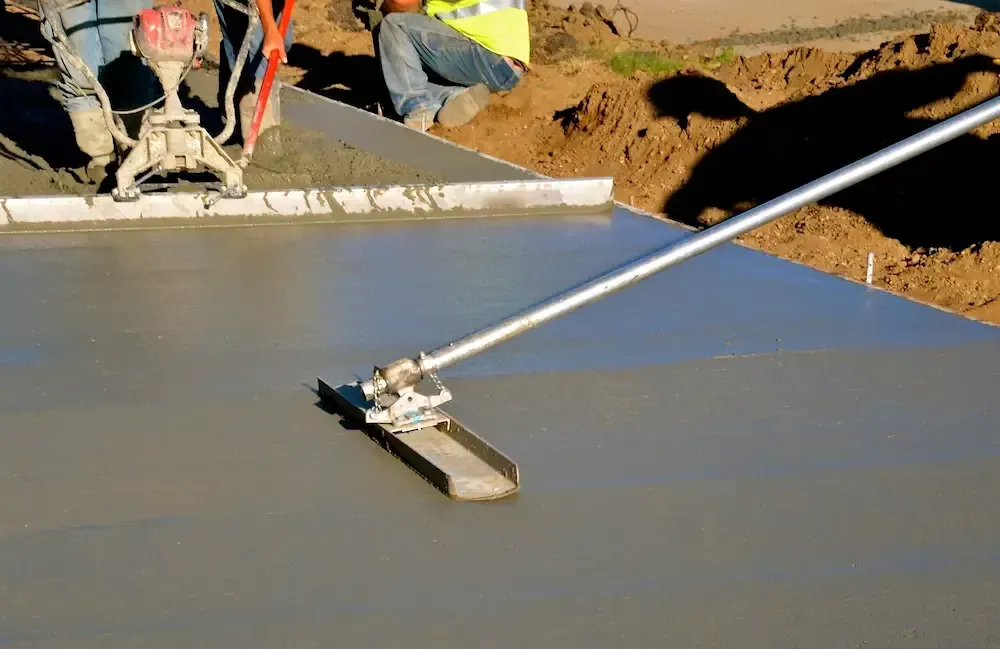
Worker smoothing fresh concrete with a long-handled screed at a construction site
By Utah Rock & Concrete • September 2, 2026
Find out how to estimate your concrete needs for slabs, driveways, patios, and other projects with simple formulas and examples.
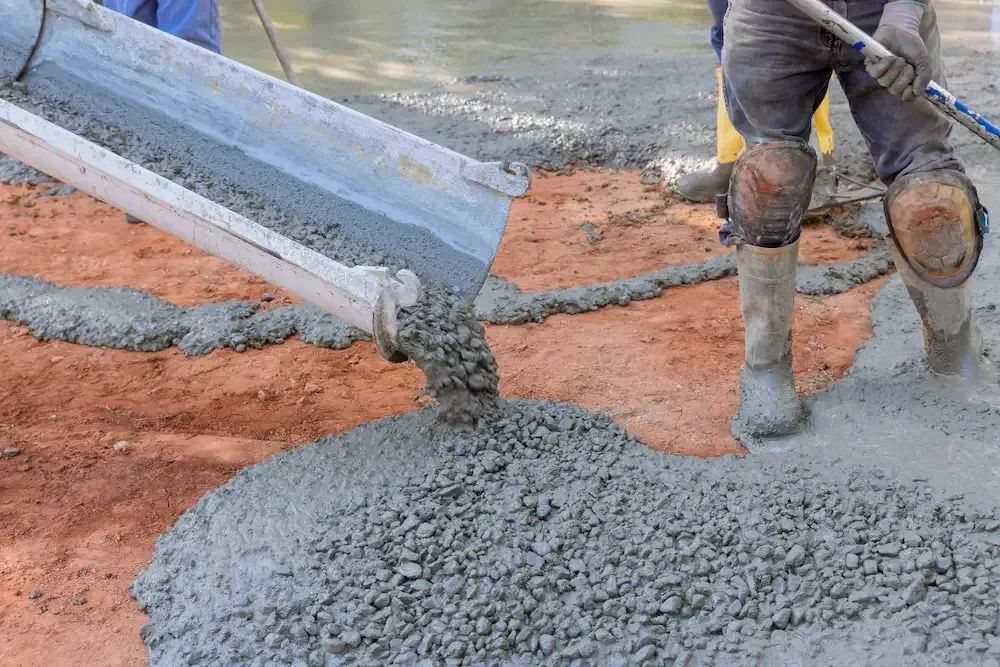
Construction workers pouring wet concrete beside a curb on a road site
By Utah Rock & Concrete • September 2, 2026
Learn when to schedule concrete delivery and how to prepare your Utah jobsite, crew, equipment, and schedule for a smooth concrete pour.
Show More