Why Is a Proper Base Important for Construction Projects?
A construction project is only as strong as what supports it from the ground up.
The finished surface may look great at first. However, problems can develop underneath if the base is weak, uneven, or poorly prepared. Cracks, settlement, potholes, and drainage issues can all affect the long-term performance of a project.
A proper base provides stability before concrete, asphalt, pavers, gravel, or another surface material is installed. It helps support weight, distribute loads, and create a more reliable foundation.
Whether you are building a driveway, road, parking area, patio, or walkway, the preparation beneath the surface deserves careful attention.
Here are several reasons why a proper base is so important for construction projects.
1. Supports the Finished Surface
The base provides support for the material installed above it.
Concrete, asphalt, pavers, and other surfaces transfer weight downward. A properly prepared base helps spread that weight across a larger area.
This is especially important for surfaces that experience regular traffic.
For example:
- Walkways may only need to support foot traffic.
- Residential driveways need to support cars and light trucks.
- Parking lots may experience constant vehicle traffic.
- Roads and access areas may need to handle heavy equipment.
Different projects have different requirements. The base should match the expected use of the finished surface.
A properly selected and compacted material can help create the support needed for the project.
2. Prevents Uneven Settlement
Uneven surfaces often begin with problems below ground.
If the soil or base shifts over time, the material above it can also move. This may lead to low spots, cracks, dips, or uneven areas.
Several issues can contribute to settlement:
- Loose or unstable soil
- Inadequate compaction
- Poor drainage
- Uneven base thickness
- Unsuitable fill material
Preparing the site before installing the finished surface can help reduce these risks.
The process may involve grading the area, removing unsuitable material, adding aggregate, and compacting the base in layers.
Addressing these issues early is usually much easier than repairing a driveway or road after it begins to settle.
3. Distributes Weight More Effectively
Construction surfaces do not always experience weight evenly.
Vehicles, equipment, and stored materials can place concentrated pressure on specific areas. Without adequate support, repeated loading can cause the surface to move or deteriorate.
A proper base helps distribute that pressure.
Think about the difference between these two situations:
| Without a Proper Base | With a Proper Base |
|---|---|
| Weight is concentrated on weaker soil | Weight is distributed more evenly |
| The surface may shift or settle | The surface has more consistent support |
| Repeated traffic can create weak areas | The base helps handle repeated loading |
| Repairs may be needed sooner | The finished surface may perform more reliably |
The required base thickness and material will depend on the project.
A walkway and a heavy-duty access road should not automatically have the same base design.
4. Helps Control Water Problems
Water can cause serious problems beneath a construction surface.
When moisture collects under concrete, asphalt, or another finished layer, it can weaken the soil and affect the stability of the base.
Poor drainage may contribute to:
- Standing water
- Soil erosion
- Settlement
- Surface movement
- Cracking
- Potholes
A proper base works together with site grading and drainage planning.
For instance, a driveway should generally be designed so water moves away from the surface rather than collecting in one area.
The right material can also play a role. Some base materials have different drainage and compaction characteristics, depending on their size and composition. However, the base alone cannot solve every drainage issue. Proper site preparation and grading are equally important.
5. Creates a Stable Work Area
A strong base can also make the construction process easier.
Workers and equipment need a stable surface while the project is underway. Soft or uneven ground can create challenges, especially on larger construction sites.
A properly prepared base can provide:
- Better support for equipment
- A more consistent working surface
- Improved site access
- Easier preparation for the next construction layer
- More accurate grading and elevation control
This can be particularly important when heavy equipment is involved.
An unstable surface may require additional work before construction can continue. Preparing the base correctly from the beginning can help reduce unnecessary delays.
What Can Happen Without a Proper Base?
Skipping important preparation steps may save time at the beginning of a project, but it can lead to more expensive problems later.
Some common issues include:
- Cracking: Movement beneath the surface can contribute to cracks.
- Settlement: Parts of the surface may sink over time.
- Potholes: Weak areas can deteriorate under repeated traffic.
- Rutting: Vehicle traffic can create depressions in unstable areas.
- Shifting: Pavers and other surface materials may move out of position.
- Standing water: Poor grading can allow water to collect.
- Premature deterioration: The finished surface may require repairs sooner.
Not every surface problem is caused by the base. Material quality, installation methods, weather, traffic, and maintenance can also affect performance.
Still, a poorly prepared foundation can make many of these issues more likely.
How Should a Construction Base Be Prepared?
A proper base involves more than spreading aggregate across the ground.
The preparation process should consider the project's requirements and existing site conditions.
Here are some common steps.
Evaluate the Ground Conditions
Start by looking at the existing soil.
Consider factors such as:
- Soil stability
- Moisture levels
- Existing materials
- Site slope
- Drainage conditions
Some projects may require unsuitable soil to be removed before the base is installed.
Establish the Proper Grade
The site should be shaped to the correct elevation and slope.
Proper grading helps:
- Create a level or properly sloped surface
- Direct water away from the project
- Prepare the area for the finished material
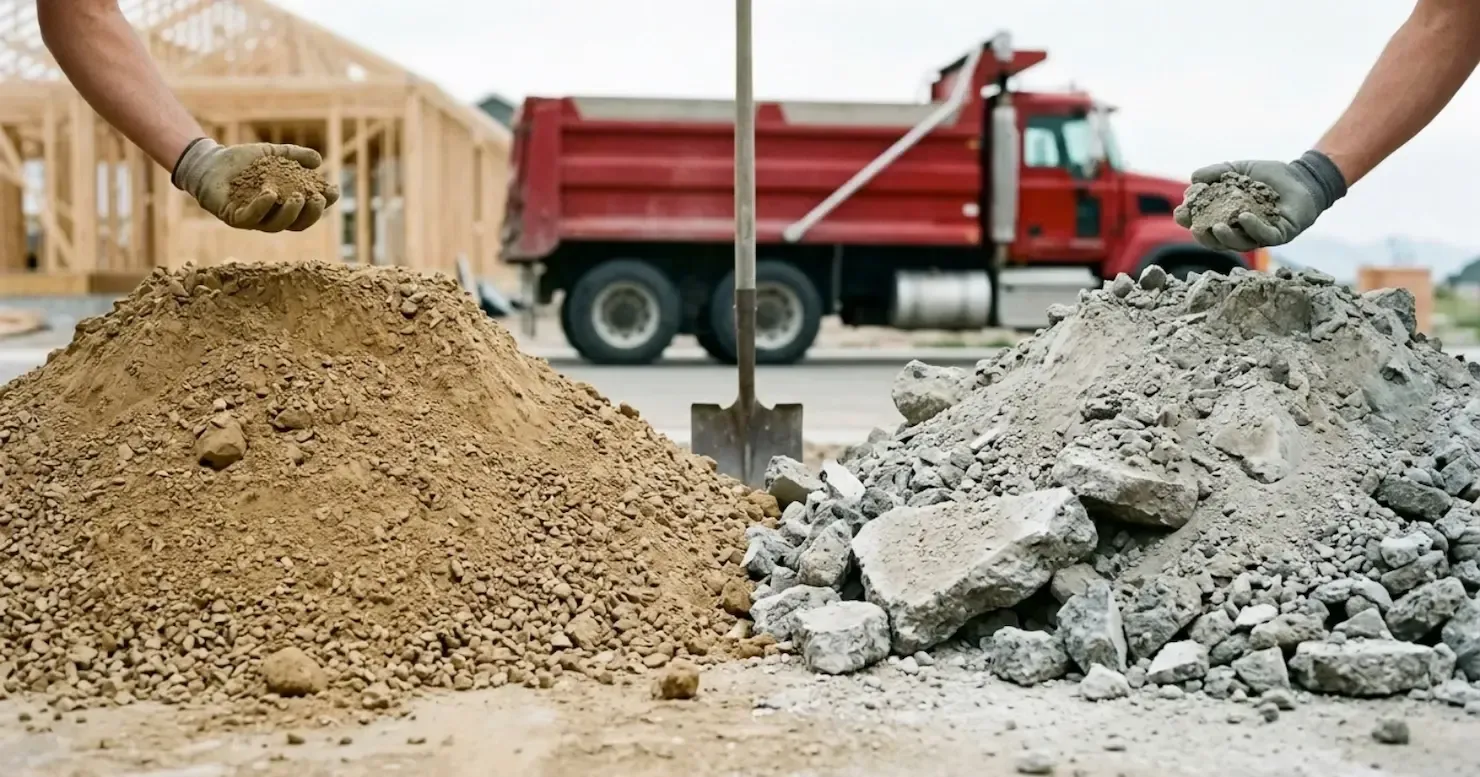
Choose the Right Base Material
Different projects may require different aggregate materials.
Common options can include:
- Crushed aggregate
- Road base
- Hard pack
- Recycled concrete aggregate
- Other approved base materials
The right choice depends on the project, expected loads, and site conditions.
Install the Material in Layers
Base material is often placed in manageable layers rather than all at once.
Each layer can then be compacted before the next one is added.
This process helps create a more consistent and stable foundation.
Compact the Base Properly
Compaction is a critical step.
It reduces air gaps and helps aggregate particles lock together. Proper equipment and moisture conditions can also affect the results.
The goal is to create a dense and stable surface before the finished material is installed.
What Should You Consider Before Preparing a Base?
Before ordering materials or starting site preparation, review the requirements of the project.
The following table can help guide the planning process:
| Factor | Why It Matters |
|---|---|
| Project type | A driveway, road, and walkway have different requirements. |
| Expected traffic | Heavy vehicles may require additional support. |
| Soil conditions | Weak soil may need extra preparation. |
| Drainage | Water can affect the stability of the base |
| Base thickness | The required depth depends on the project design. |
| Material selection | Different materials offer different properties. |
| Compaction | Proper compaction helps create a stable foundation. |
Reviewing these factors before construction begins can help prevent costly mistakes.
Build a Strong Project From the Ground Up
A proper base may not be visible once the project is finished, but its role should not be overlooked.
It provides support for the finished surface. It helps distribute weight, reduce uneven settlement, manage site conditions, and create a stable area for construction.
Before moving forward with a driveway, road, parking area, patio, or another construction project, take time to prepare the ground properly.
Focus on the key steps:
- Evaluate the existing soil.
- Plan for drainage.
- Select an appropriate base material.
- Install the material at the required depth.
- Compact each layer properly.
A strong finished surface starts with proper preparation underneath. By investing time and attention in the base, you can create a more stable foundation for the rest of the project.