
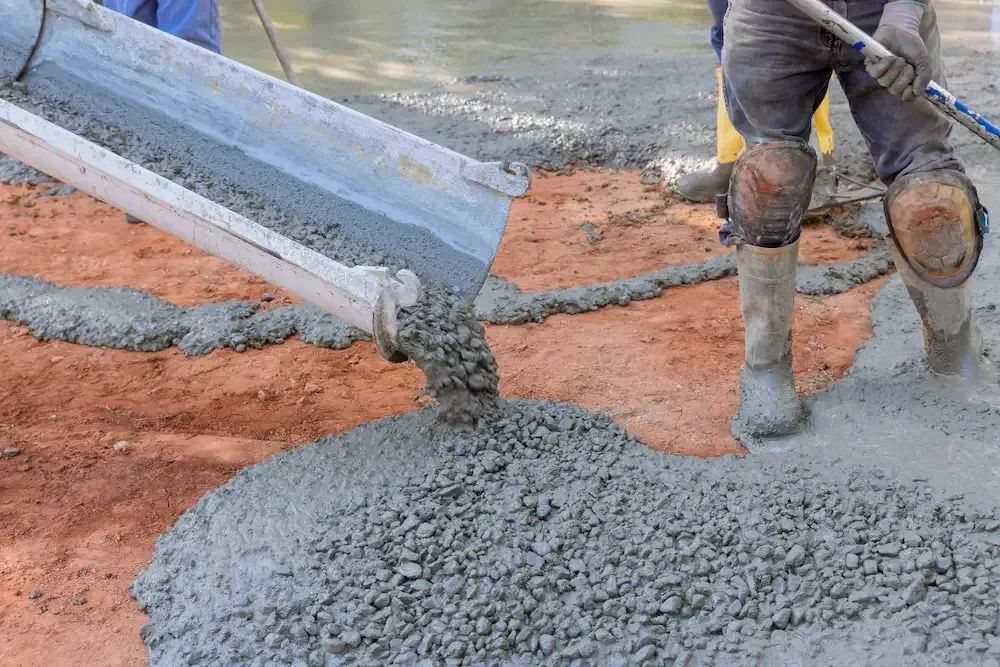

When Should You Schedule Your Concrete Delivery?

When Should You Schedule Your Concrete Delivery?

Utah Rock & Concrete • September 2, 2026

Concrete delivery is an important part of any construction project. The timing needs to work with your crew, equipment, and jobsite preparation. If the truck arrives too early, your team may not be ready. If it arrives too late, the entire project could fall behind schedule.

For homeowners, contractors, and builders in Utah, planning ahead can make the pouring process much easier. The right delivery time depends on the size of your project, site conditions, weather, and how much concrete you need. A little preparation can help you avoid unnecessary delays and keep the pour moving smoothly.

Schedule Your Delivery Early

The best time to schedule your concrete delivery is as soon as you have a firm project date. Giving your supplier advance notice allows them to plan production, trucks, and delivery routes around your project. This is especially important during busy construction periods when delivery slots may fill quickly.

When placing your order, be prepared to provide details such as:

  • The type of concrete you need
  • The estimated amount required
  • Your preferred delivery date and time
  • The number of truckloads
  • Any special access or delivery requirements

Having these details ready gives your supplier a clearer picture of the job. It also makes it easier to coordinate the delivery with your crew and jobsite. With the plan set ahead of time, you can start the pour without unnecessary delays.

Prepare the Jobsite Before Delivery

Your jobsite should be completely ready before the first concrete truck arrives. Take care of the basic preparation ahead of time so your crew can begin placing the concrete as soon as it arrives. Make sure you have:

  • Installed and secured the forms
  • Prepared the subgrade
  • Added reinforcement, if required
  • Cleared the placement area
  • Prepared the necessary tools and equipment

Truck access is another important consideration. Concrete trucks are large and need enough room to enter, position themselves, and leave the property safely. Check the delivery route for narrow driveways, steep areas, low branches, parked vehicles, or other obstacles.

Discuss any access concerns with your contractor and concrete supplier before delivery day so the right equipment can be arranged.

Consider the Weather

Weather conditions can affect when you should schedule your concrete delivery. Extreme heat, cold temperatures, rain, and strong winds can make placing and finishing concrete more challenging. Utah's changing seasonal conditions make it important to check the forecast before your scheduled pour.

If the forecast calls for unfavorable conditions, do not wait until the truck is already on its way to address the problem. Talk with your contractor and concrete supplier as soon as possible. They can help determine whether the pour can proceed or whether changing the schedule would be a better option.

For hot-weather pours, your crew may also need to plan around the time of day. Starting earlier can sometimes help avoid the hottest part of the afternoon. Your project team can recommend a schedule based on the specific conditions and requirements of the job.

Confirm Your Order Before Delivery Day

Even after scheduling your delivery, it is a good idea to confirm the details before the pour. A quick check can help catch changes in the project before the trucks are dispatched. It also gives you an opportunity to update the supplier if site conditions or timing have changed.

Before delivery, confirm:

  • Delivery date and arrival time
  • Concrete type and quantity
  • Number of truckloads
  • Expected spacing between trucks
  • Jobsite address
  • Access instructions

This step is particularly helpful for large projects. If your crew needs several loads, even a small scheduling change can affect the entire pour. Keeping your supplier informed helps everyone work from the same plan.

Coordinate Your Crew and Equipment

Your delivery schedule should match the availability of your workers and equipment. The crew should be ready before the first truck arrives, with placement and finishing tools already set up. This helps prevent trucks from waiting while the jobsite is being prepared.

Think through the entire pouring process before delivery day. Decide where each truck will position itself, how the concrete will reach the placement area, and how your crew will handle finishing. Having a clear plan can make the work more efficient and reduce unnecessary delays.

For projects involving pumps or other specialized equipment, confirm that everything will be available when the concrete arrives. A delay with one part of the process can affect the rest of the pour.

Plan Ahead With Utah Rock & Concrete

Scheduling your concrete delivery is more than choosing a date on the calendar. You also need to consider your jobsite, crew, equipment, weather, and the amount of concrete required. Planning these details ahead of time can help your project stay organized from the first truck to the final finishing work.

Whether you are working on a driveway, foundation, slab, or larger construction project, Utah Rock & Concrete can help you plan your concrete delivery. Contact Utah Rock & Concrete to discuss your project and find a delivery schedule that works for your needs.

Recent Posts

Gray tile patio beside a pebble border and green grass lawn
By Utah Rock & Concrete • September 2, 2026
Discover the best decorative rock for your yard by comparing rock types, sizes, colors, uses, installation, and cost considerations.

Three-way border between gray gravel, tan river stones, and green grass panels
By Utah Rock & Concrete • September 2, 2026
Avoid costly mistakes when ordering bulk landscaping materials. Learn how to choose the right material, calculate quantities, plan delivery, and more.
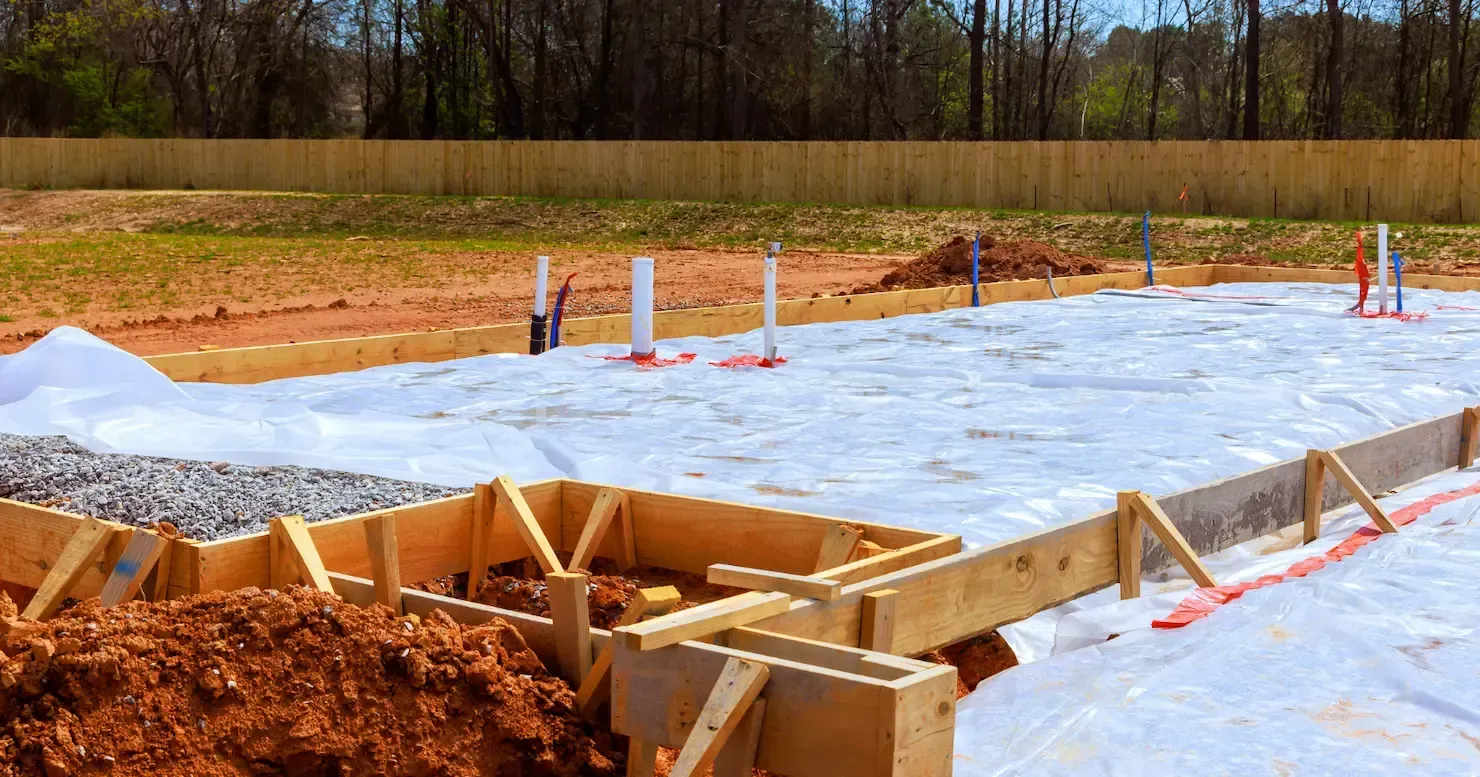
Fresh concrete slab foundation under construction with wooden forms and orange markers on a dirt lot
By Utah Rock & Concrete • September 2, 2026
Discover how a properly prepared base can prevent settlement, improve drainage, distribute weight, and support a stronger construction project.

Construction workers dumping sand and gravel into separate piles beside a red dump truck
By Utah Rock & Concrete • September 2, 2026
Learn the differences between hard pack and recycled concrete road base, from composition and compaction to cost and common applications.

Worker smoothing wet concrete with a trowel on a construction site
By Utah Rock & Concrete • September 2, 2026
Explore five common uses for small-batch concrete and learn why it can be a practical option for smaller residential projects.
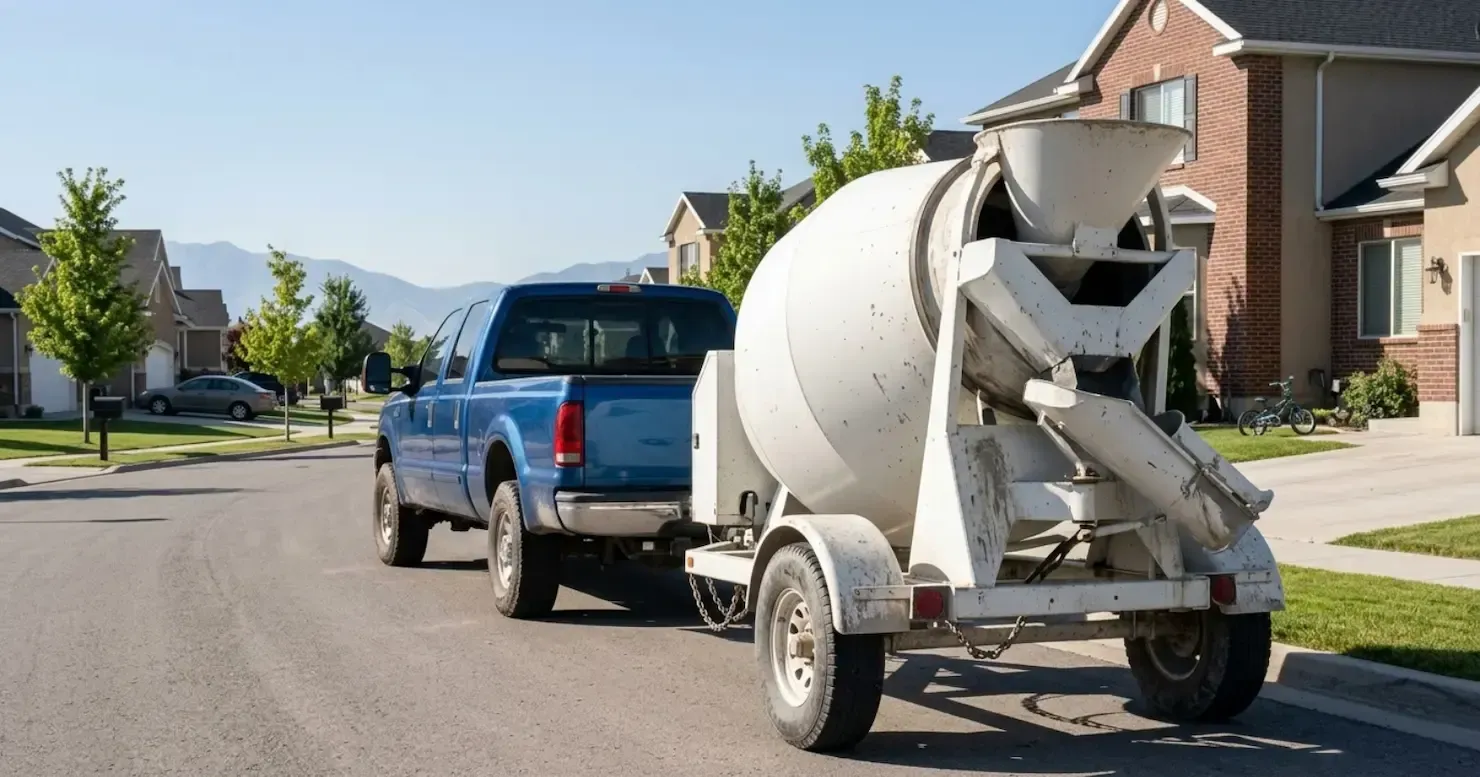
Blue pickup towing a white cement mixer trailer on a suburban street, with houses and mountains in the background
By Utah Rock & Concrete • September 2, 2026
Find out what to expect when picking up U-Cart concrete, including trailer requirements, towing tips, concrete placement, and return instructions.

Person smoothing wet concrete beside a house with a long-handled tool
By Utah Rock & Concrete • September 2, 2026
Find a reliable small-batch concrete supplier by evaluating order options, pricing, concrete quality, equipment, communication, and reviews.
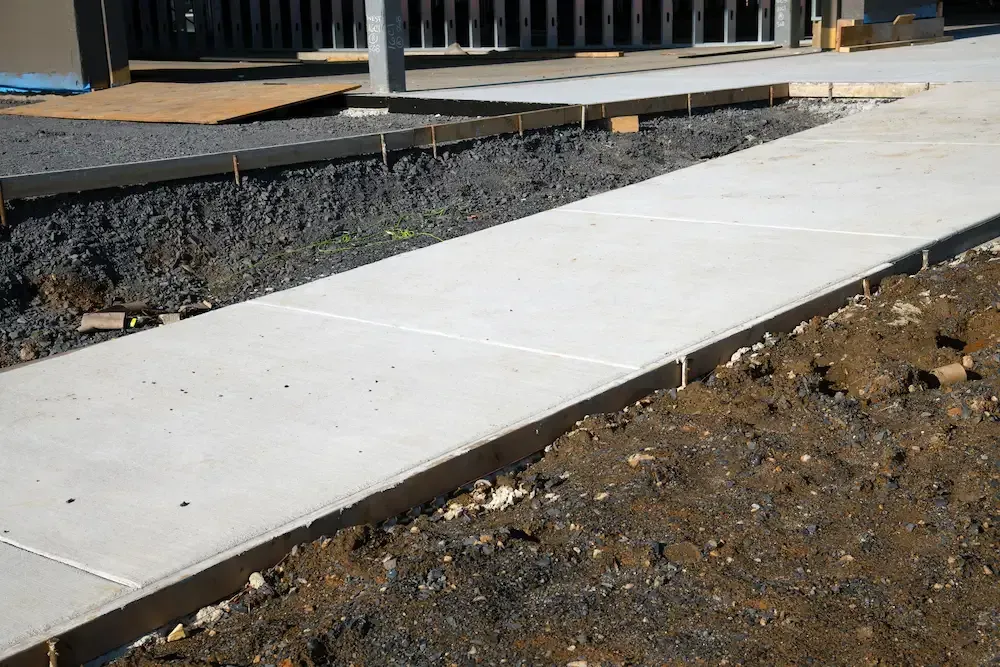
New concrete sidewalk beside a raised wooden deck and gravel path under construction
By Utah Rock & Concrete • September 2, 2026
Learn when to choose small-batch concrete for smaller pours, repairs, restricted access, DIY projects, and other concrete needs.
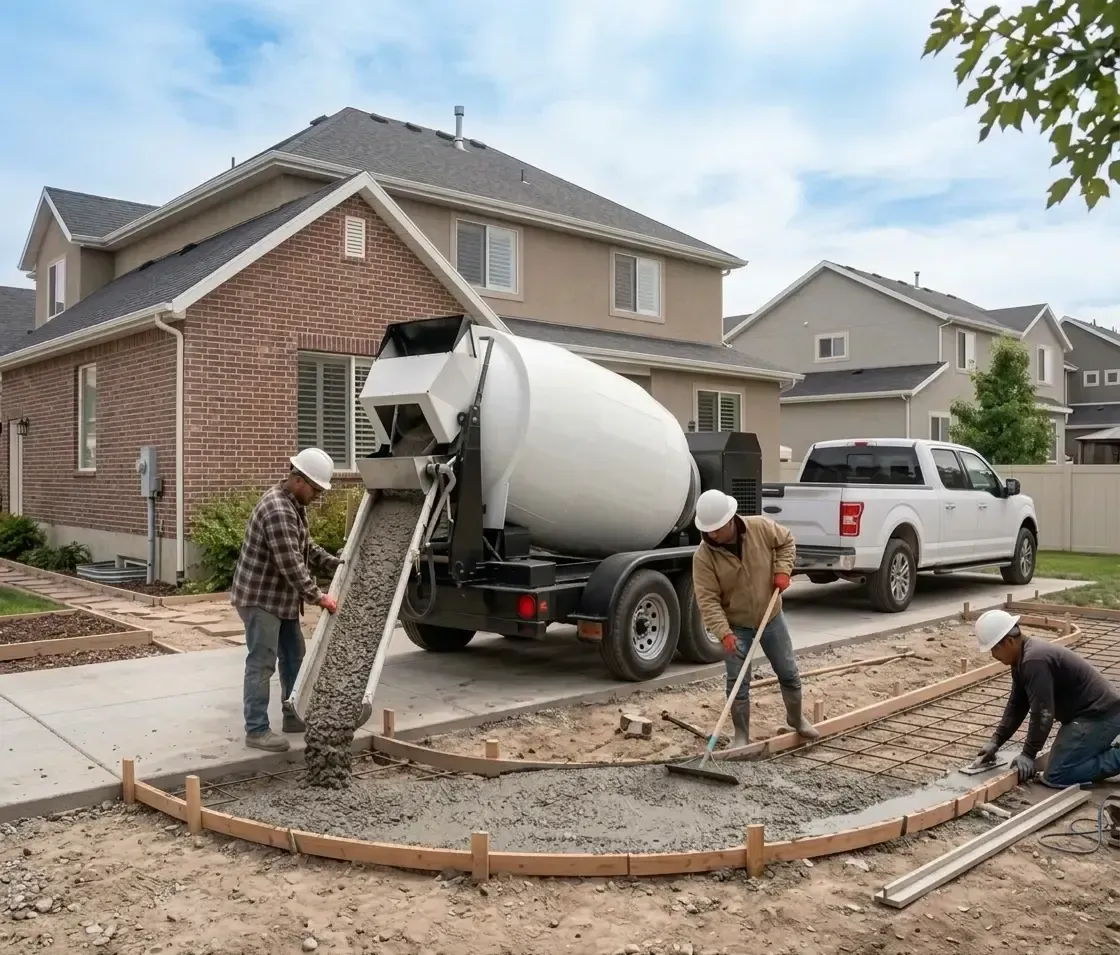
Concrete being poured from a mixer truck into a large pile at a construction site
By Utah Rock & Concrete • September 2, 2026
Learn five important things to consider before ordering ready-mix concrete, from strength and mix design to workability and project specifications.
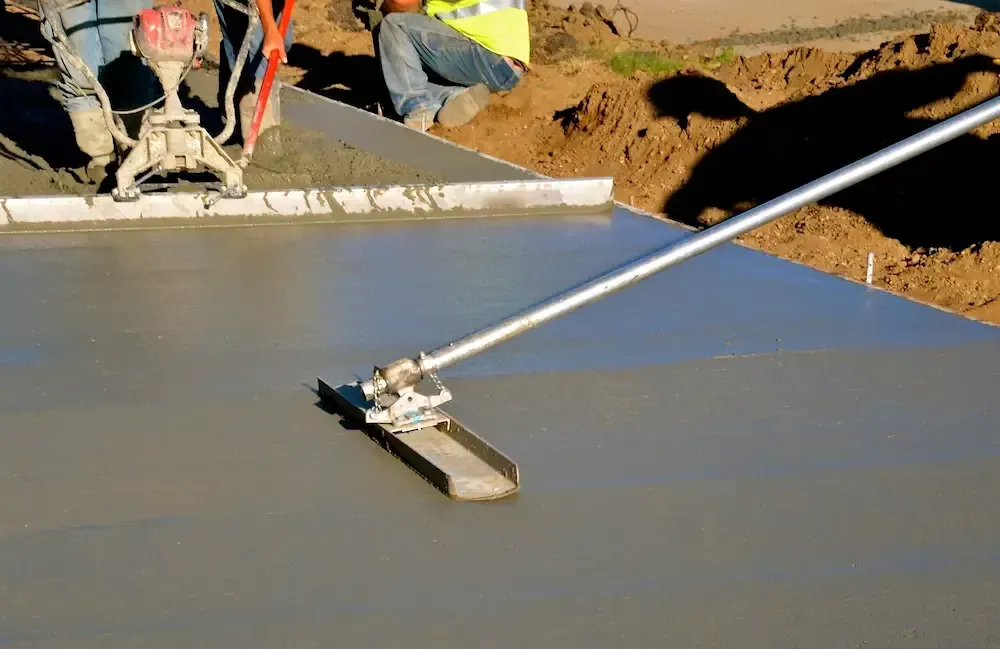
Worker smoothing fresh concrete with a long-handled screed at a construction site
By Utah Rock & Concrete • September 2, 2026
Find out how to estimate your concrete needs for slabs, driveways, patios, and other projects with simple formulas and examples.
Show More